


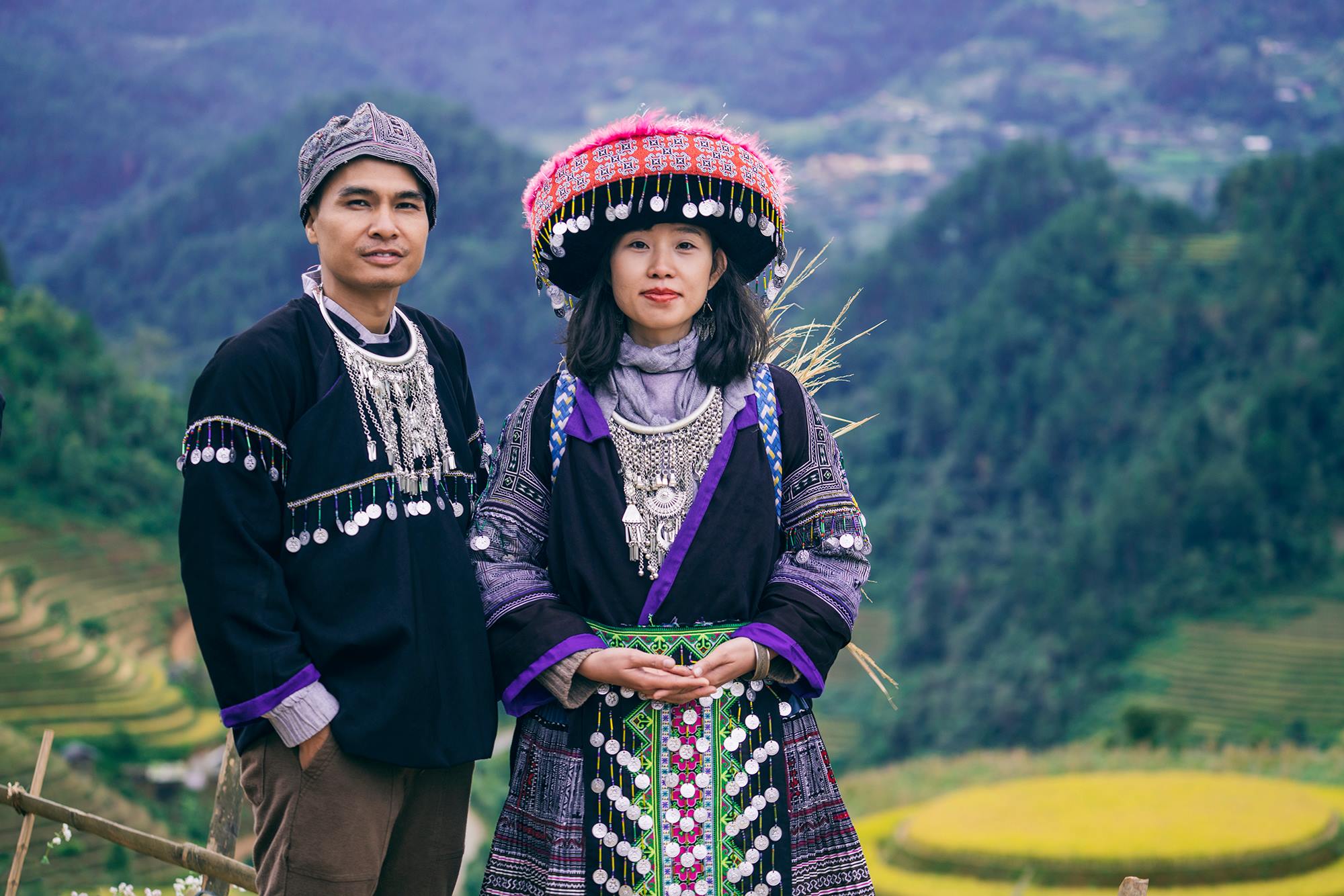
Some journeys are about famous sights. Others are about stories, people, and moments that stay with you forever. A Mu Cang Chai ethnic Hmong trek belongs to the second kind.
Mu Cang Chai is not a place you rush through. It is a land of high mountains, deep valleys, and villages where the Hmong people have lived for generations. Here, trekking is not only about walking. It is about following old footpaths, sharing smiles without a common language, and understanding how closely life is tied to the land.
This guide will help you understand what a Mu Cang Chai ethnic Hmong trek truly means, when to go, where to trek, what to expect, and why this experience is one of the most meaningful trekking journeys in northern Vietnam.
Where Is Mu Cang Chai and Who Are the Hmong People?
Mu Cang Chai is located in Yen Bai Province, in the northwest of Vietnam. The district lies at an altitude of around 1,000 meters and is surrounded by rugged mountains and steep valleys.
More than 90% of the population here belongs to ethnic minority groups, with the Hmong being the largest community.
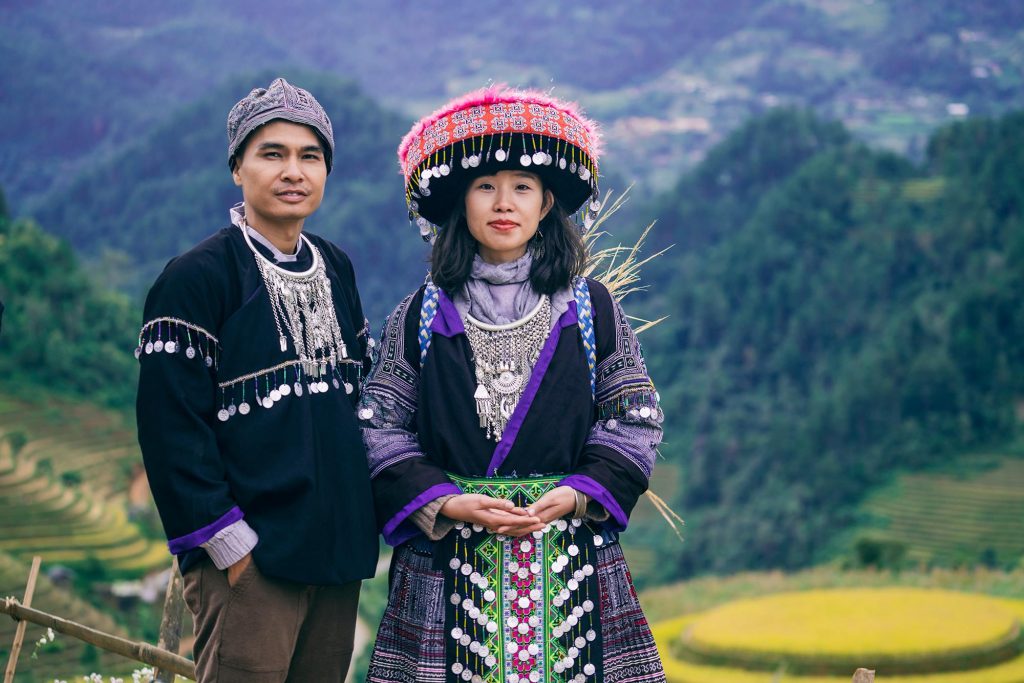
The Hmong People of Mu Cang Chai
The Hmong are known for:
- Living in high mountain areas
- Building wooden houses with earth walls
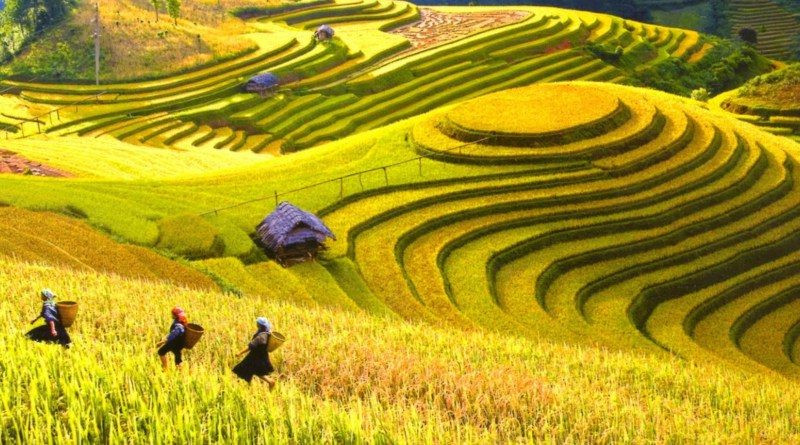
- Creating rice terraces on steep slopes
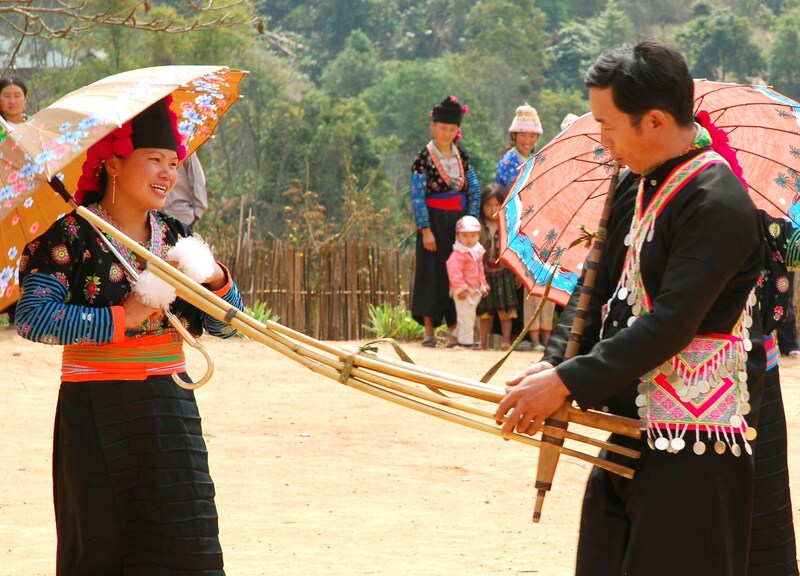
- Wearing colorful traditional clothing
Their life is deeply connected to nature. Rice farming, corn planting, forest gathering, and animal raising are still the main activities.
A Mu Cang Chai ethnic Hmong trek allows you to see how:
- Rice terraces are built by hand
- Buffaloes help with farming
- Traditions are passed from parents to children
This is not a performance for tourists. It is everyday life.
The Hmong People of Mu Cang Chai
Why Choose a Mu Cang Chai Ethnic Hmong Trek?
There are many trekking destinations in Vietnam, but Mu Cang Chai offers something rare.
Deep Cultural Experience
Unlike popular tourist towns, Mu Cang Chai remains authentic. Trekking through Hmong villages means:
- Visiting real homes
- Seeing real farming work
- Sharing meals in simple kitchens
You become a guest, not a spectator.
Incredible Mountain Landscapes
The landscape changes constantly:
- Golden rice terraces during harvest
- Green fields in summer
- Misty valleys in early morning
Every turn of the trail brings a new view.
Slow Travel and Meaningful Connection
A Mu Cang Chai ethnic Hmong trek encourages you to slow down. You walk at the same pace as local people, stop when they stop, and learn through observation rather than explanation.
Typical Routes for a Mu Cang Chai Ethnic Hmong Trek
There is no single route. Treks can be customized depending on time and fitness.
La Pan Tan – Che Cu Nha Trek
This is a classic route.
Experience includes:
- Famous rice terraces
- Hmong villages on hillsides
- Easy to moderate trails
Perfect for first-time trekkers.
De Xu Phinh Remote Village Trek
This route goes deeper into less-visited areas.
What makes it special:
- Fewer tourists
- Strong cultural atmosphere
- Longer walking distances
Best for travelers seeking solitude.
Multi-Day Hmong Village Trek
This trek connects several villages and often includes:
- Homestay overnight
- Home-cooked meals
- Evening conversations by the fire
This is the best way to truly understand Hmong life.
Typical Routes for a Mu Cang Chai Ethnic Hmong Trek
What a Day on a Mu Cang Chai Ethnic Hmong Trek Feels Like
A typical trekking day is simple and beautiful.
You wake up early to mountain air. Breakfast is light – often rice, eggs, or corn. Then you start walking along small trails used daily by villagers.
Along the way, you may:
- Greet farmers working in the fields
- See children walking to school
- Rest under a tree with mountain views
Lunch is usually local food, prepared by villagers or your guide. In the afternoon, you continue trekking until reaching the next village or homestay.
At night, you eat together, share stories, and sleep to the sound of nature.
Difficulty Level: Is a Mu Cang Chai Ethnic Hmong Trek Hard?
The difficulty varies.
- Easy: Short village walks, gentle slopes
- Moderate: Half-day treks with uphill sections
- Challenging: Multi-day treks with steep paths
You do not need advanced trekking skills, but basic fitness and comfort with walking are important.
Hiring a local guide is strongly recommended for safety and cultural understanding.
What to Pack for a Mu Cang Chai Ethnic Hmong Trek
Pack light but carefully.
Essentials:
- Comfortable trekking shoes
- Light rain jacket
- Backpack
- Water bottle
- Hat and sunscreen
For overnight treks:
- Warm clothes
- Headlamp
- Personal medicine
Avoid heavy luggage.
Why Trek with a Local Guide in Mu Cang Chai
A local guide does more than show the way.
They help you:
- Communicate with villagers
- Understand traditions
- Adjust routes safely
- Support local communities
Without a guide, you may miss the deeper meaning of the journey.
Mu Cang Chai Ethnic Hmong Trek with Pu Luong Excursions
Pu Luong Excursions is a licensed and trusted travel company, specializing in nature experiences, trekking, homestays, hotels, and eco-retreat journeys in northern Vietnam.
Based in Pu Luong Nature Reserve, Thanh Hoa, we are proud to organize some of Northern Vietnam’s finest countryside tours, including meaningful Mu Cang Chai ethnic Hmong treks.
Our journeys focus on:
- Ethnic culture
- Walking and trekking
- Jungle and mountain exploration
We believe in slow travel, real connections, and respectful tourism. Our local guides are storytellers who walk with you, not in front of you.
When you trek with Pu Luong Excursions, you do not just visit Mu Cang Chai – you experience it.
Mu Cang Chai Ethnic Hmong Trek with Pu Luong Excursions
A Mu Cang Chai ethnic Hmong trek is not about checking places off a list. It is about learning how people live in harmony with nature, understanding the value of simple things, and walking paths shaped by generations.
You may forget the distance you walked, but you will remember:
- The smiles of villagers
- The sound of wind in rice terraces
- The warmth of shared meals
Mu Cang Chai does not try to impress. It welcomes you quietly, teaches you gently, and leaves a deep mark on your heart.
And sometimes, that is the most meaningful journey of all.