


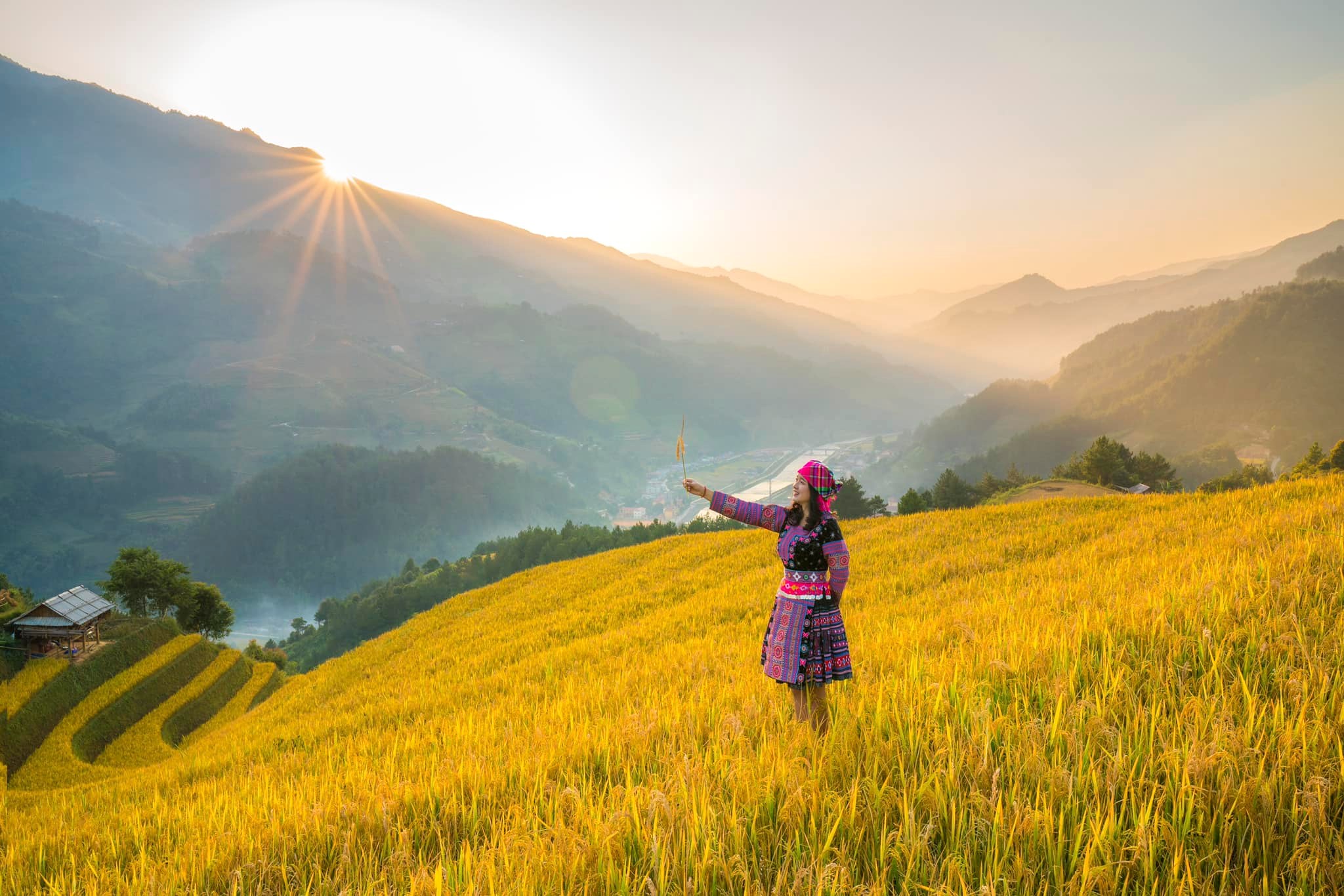
Mu Cang Chai is a place where photography feels natural, not rushed. Hidden in the mountains of Northern Vietnam, this remote region is known for its breathtaking rice terraces shaped by generations of ethnic minority farmers. During the harvest season, the hills turn golden, light and mist move slowly across the valleys, and every moment feels worth waiting for. A Mu Cang Chai photography tour is not just about taking photos — it’s about walking with locals, understanding the land, and capturing stories that only appear when you travel at a slower pace.
Where Is Mu Cang Chai and Why It’s Special
Mu Cang Chai is a rural district in Yen Bai Province, about 300 kilometers northwest of Hanoi. The journey itself is part of the adventure — winding mountain roads, deep valleys, waterfalls, and villages hidden in the clouds.
What makes Mu Cang Chai truly special is its terraced rice fields, officially recognized as a National Heritage Site of Vietnam. These terraces are not just beautiful; they are a symbol of human harmony with nature.
Unlike more crowded destinations, Mu Cang Chai still feels raw and untouched. There are no big resorts, no noisy tour buses. Just wooden houses, water buffalo, children walking to school, and farmers working the fields as their ancestors did.
For photographers, this means authenticity — real moments, real people, real life.
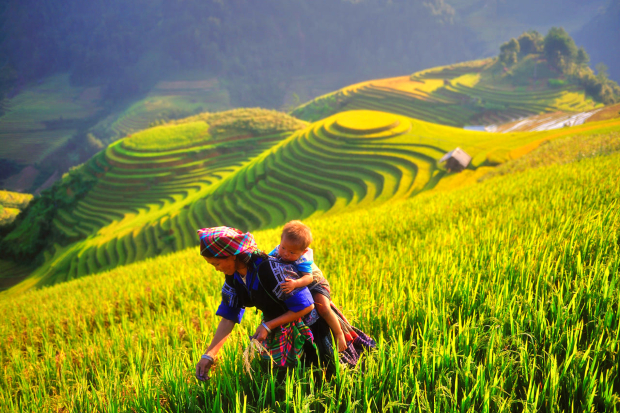
Mu Cang Chai
The Best Time for a Mu Cang Chai Photography Tour
September to Early October – The Golden Season (Best for Most Photographers)
This is the most famous time for a Mu Cang Chai photography tour.
The rice terraces turn golden like waves of sunlight flowing across the mountains. From high viewpoints, you will see layers of yellow, orange, and green blending together. In the early morning, mist floats between the valleys. In the late afternoon, warm light paints the hills like a living painting.
This season is perfect for:
- Landscape photography
- Drone shots
- Sunrise and sunset photography
- Farmers harvesting rice
- Traditional village life in its most active time
The atmosphere feels alive. You hear laughter, sickles cutting rice, buffalo walking slowly in the fields, and children playing on the paths. Every frame tells a story of hard work and harmony with nature.
For many travelers, this is the best time of the year for a Mu Cang Chai photography tour.
May to June – The Water Season (Mirror Season)
This is the season photographers often fall in love with quietly.
After the dry months, farmers bring water from the mountains into the terraces. The fields become giant mirrors reflecting the sky, clouds, and surrounding hills. When the light is soft, the terraces look like layers of silver and glass.
This season is perfect for:
- Reflection photography
- Minimalist landscapes
- Artistic compositions
- Cloud and sky reflections
- Peaceful and dreamy scenes
It feels calm and poetic. There are fewer tourists, and the villages are quiet. For photographers who love soft light and artistic frames, this is a hidden treasure season.
July to August – The Green Season
This is when Mu Cang Chai is full of life.
The rice is growing strong and green. The mountains look fresh, the air feels cooler, and the valleys are full of energy. It may rain sometimes, but rain brings clouds, fog, and dramatic skies that photographers love.
This season is perfect for:
- Lush green landscapes
- Portraits of farmers working
- Cloudy and moody mountain scenes
- Travel storytelling photography
The green season shows Mu Cang Chai as a living, breathing world. It is not golden yet, but it is full of hope and growth.
November to March – The Quiet Season
This is the resting time for the fields.
The terraces become brown and calm. The weather is colder, and sometimes foggy. While it is not ideal for rice photography, it is beautiful in a different way.
This season is good for:
- Cultural photography
- Village life
- Misty mountain landscapes
- Minimalist and moody compositions
You will meet fewer tourists and experience the slow, peaceful life of the highlands.
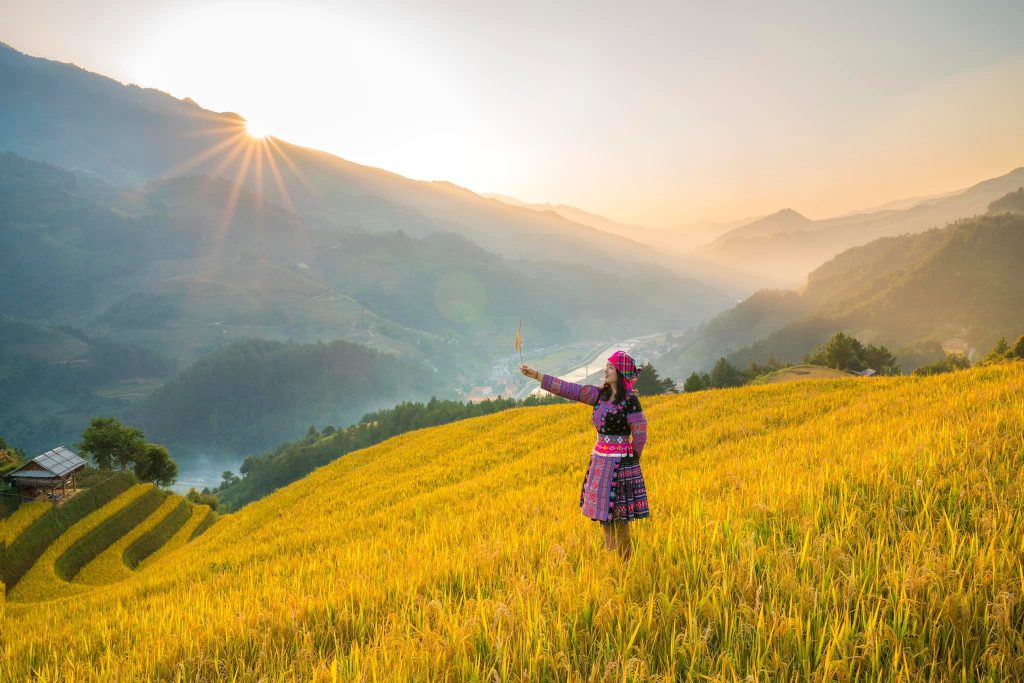
The Best Time for a Mu Cang Chai Photography Tour
Best Time of Day for Photography
No matter which month you choose, time of day is very important.
- Early morning (5:30 – 7:30 am):
Best light, mist, and soft colors - Late afternoon (4:30 – 6:00 pm):
Warm light, long shadows, golden tones - Midday:
Good for portraits and village life, but light is stronger
Local guides always say:
“Wake up early. The mountains give their best beauty to those who greet the sunrise.”
What Makes a Mu Cang Chai Photography Tour Different
Travel at the Right Pace
Photography needs time. We plan fewer stops but spend more time at each location. Sometimes the best photo appears after waiting quietly for 30 minutes.
Local Knowledge Matters
We know:
- Which village gets the first morning light
- Where the mist forms after rain
- When farmers are harvesting
- How to approach people respectfully for portraits
These small details make a big difference in photography.
Human Stories, Not Just Landscapes
The terraces are beautiful, but the soul of Mu Cang Chai is its people — mainly the Hmong ethnic group.
On a photography tour, you will:
- Photograph farmers harvesting rice by hand
- Capture children playing on mountain paths
- Visit local homes and weekly markets
These moments turn good photos into meaningful stories.
Iconic Photography Spots in Mu Cang Chai
La Pan Tan Village
Famous for its spiral-shaped terraces, La Pan Tan is often the highlight of any Mu Cang Chai photography tour. Sunrise here is magical, especially when clouds float between the hills.
Mam Xoi Hill
One of the most photographed spots in Vietnam. From above, the terraces look like a giant golden plate of sticky rice.
Che Cu Nha
Less crowded and more peaceful, perfect for wide landscape shots and quiet village scenes.
Tu Le Valley
Located on the way to Mu Cang Chai, Tu Le offers beautiful rice fields, hot springs, and chances to photograph Thai ethnic culture.
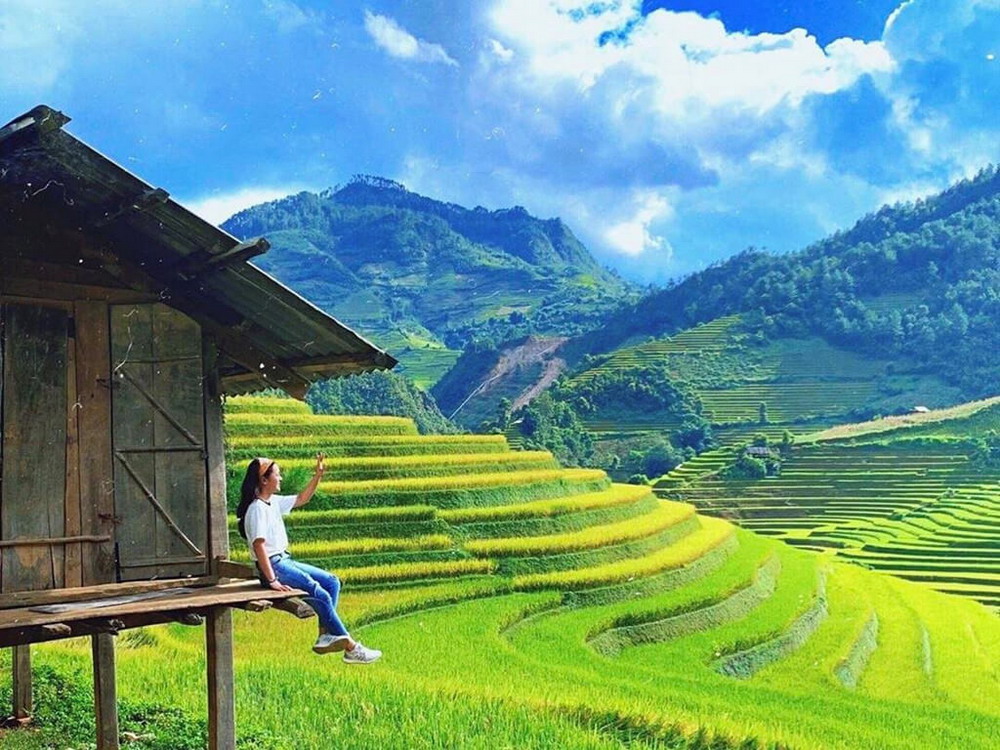
Iconic Photography Spots in Mu Cang Chai
Photography Styles You Can Explore
A Mu Cang Chai photography tour is suitable for many styles:
- Landscape photography – sweeping terraces and mountain layers
- Portrait photography – ethnic minorities in natural light
- Street and lifestyle photography – daily life in villages
- Drone photography – dramatic aerial views (where permitted)
Whether you use a DSLR, mirrorless camera, or even a smartphone, the key is learning how to see the light and moment.
Respectful Photography: A Guide’s Perspective
As local guides, we always remind guests:
- Ask before taking portraits
- Smile and interact, not just shoot
- Do not disturb farming work
- Avoid drones near villages without permission
When you respect people, they open their world to you — and your photos become more powerful.
Why Travel with a Local Guide Makes All the Difference
Many travelers visit Mu Cang Chai on their own, but often miss:
- The best viewpoints
- The right time of day
- Local connections
A local guide doesn’t just show the way — we translate culture, share stories, and help you see beyond the surface.
Photography becomes easier when someone else handles logistics and timing, allowing you to focus on creativity.
About Pu Luong Excursions – Local Experts in Northern Vietnam Countryside Tours
Pu Luong Excursions is a licensed travel company specializing in Northern Vietnam’s finest countryside tours with ethnic culture, trekking, and jungle rides.
We are known for:
- Nature-focused journeys
- Small-group and private tours
- Deep cultural experiences
- Responsible and sustainable travel
Beyond Mu Cang Chai photography tours, we also offer trekking, eco-retreats, hotel and homestay stays in Pu Luong Nature Reserve, Thanh Hoa, and other remote regions of Northern Vietnam.
As locals, we believe the best travel experiences come from simple moments — walking through rice fields, sharing meals, listening to village stories, and letting nature guide the journey.
A Mu Cang Chai photography tour is not just about capturing beautiful images. It is about slowing down, connecting with people, and seeing the world from a different perspective.
When you return home, you won’t just have photos on your memory card.
You will have stories — of misty mornings, golden hills, shared laughter, and quiet moments in the mountains.
And those stories, just like the terraces of Mu Cang Chai, will stay with you for a lifetime.
If you’re looking for a photography journey that feels real, warm, and deeply human — Mu Cang Chai is waiting.