


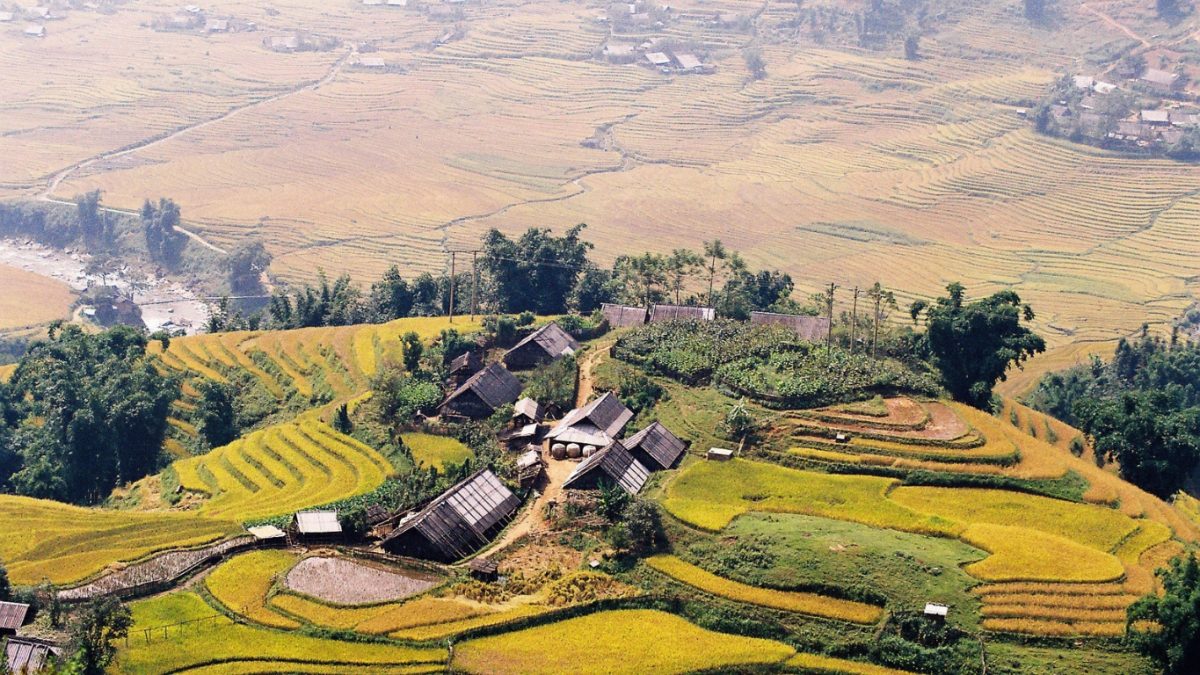
Most travelers come to Sapa with a picture in mind: misty mountains, endless rice terraces, and colorful ethnic markets. Those images are real—but they are only the surface.
A Sapa local village trek is not just about scenery. It is about slowing down, stepping off the main road, and walking into places where life still follows the rhythm of the land. It is about muddy paths after the rain, buffalo resting by the trail, children waving from wooden houses, and warm smiles that need no shared language.
As a local guide once said, “If you only stay in town, you see Sapa. If you walk to the villages, you feel Sapa.”
This article is written in that spirit—simple, friendly, and from the perspective of people who walk these trails, not just sell them.
What Is a Sapa Local Village Trek?
A Sapa local village trek is a walking journey through small ethnic minority villages around Sapa, guided by local people who grew up in the mountains. Instead of following busy tourist routes, you walk along narrow paths connecting homes, rice fields, forests, and streams.
These treks usually pass through villages of the Hmong, Dao (Red Dao), Tay, or Giay people. Each group has its own language, clothing, customs, and stories, and trekking is the best way to see how they live day by day.
Unlike fast-paced tours, village trekking is relaxed. You stop often—sometimes to rest, sometimes to talk, sometimes just to watch life happening.
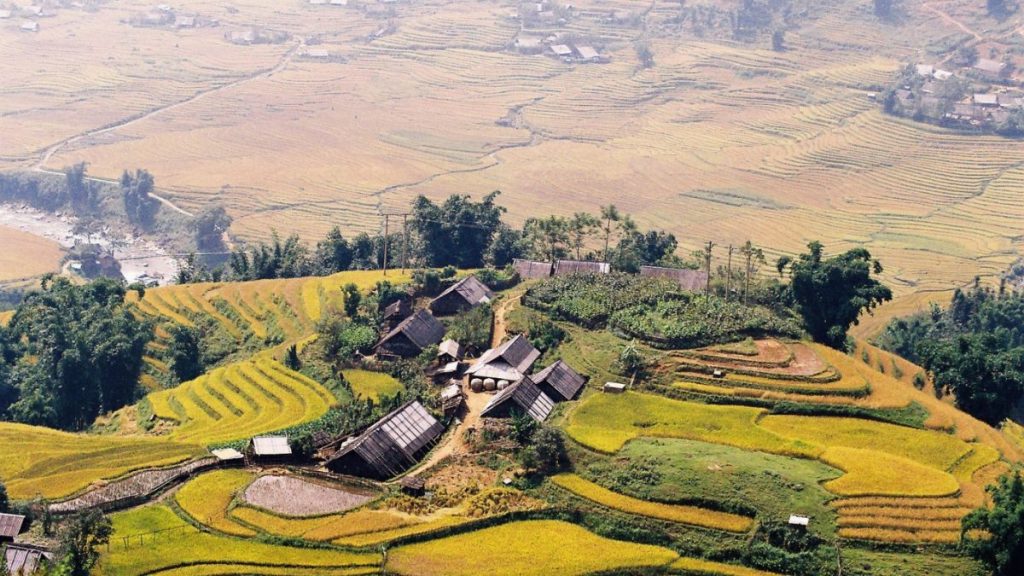
Sapa Local Village Trek
Why Choose a Local Village Trek in Sapa?
You Walk at Local Speed, Not Tourist Speed
Local guides do not rush. They know when to slow down, where the path gets slippery, and when it is time for a tea break. The walk feels natural, like following a friend home rather than joining a tour group.
You See the Side of Sapa Most Visitors Miss
Many travelers only see Cat Cat or a few crowded viewpoints. A true Sapa local village trek takes you deeper—past quiet hamlets, small schools, water wheels, and simple kitchens where smoke curls into the cold air.
You Support Local Families Directly
When you trek with locals, your visit matters. You eat local food, sometimes sleep in a family home, and help create income that stays in the village.
The Villages You May Visit on a Sapa Local Village Trek
Each trek is different, but here are some villages often included, depending on route and length.
Lao Chai Village – Heart of the Hmong Valley
Lao Chai lies in Muong Hoa Valley, surrounded by some of the most beautiful rice terraces in Sapa. The Black Hmong people here are farmers, indigo dyers, and storytellers.
Walking through Lao Chai feels open and wide. Buffalo graze near the river, and wooden houses sit quietly against the hills. It is an ideal place to understand how rice shapes life in the mountains.
Ta Van Village – Where Cultures Meet
Ta Van is home mainly to the Giay people, with some Hmong families as well. The village is known for gentler slopes and peaceful riverside paths.
Many travelers choose to stay overnight here. As evening comes, lights appear one by one, and the sound of cooking fills the air. A night in Ta Van turns a trek into a memory.
Y Linh Ho – Raw and Untouched
Y Linh Ho is less developed and more rugged. Paths are narrower, sometimes steep, and the landscape feels wild.
This village is perfect for travelers who want a real trekking feeling without large groups. It shows the harder side of mountain life—and the strong spirit of the people who live there.
Ta Phin – Red Dao Traditions
Ta Phin is famous for Red Dao herbal baths and traditional embroidery. Walking here, you may see women sewing by hand or preparing herbs from the forest.
A stop in Ta Phin often ends with a warm herbal bath—simple, relaxing, and deeply local.
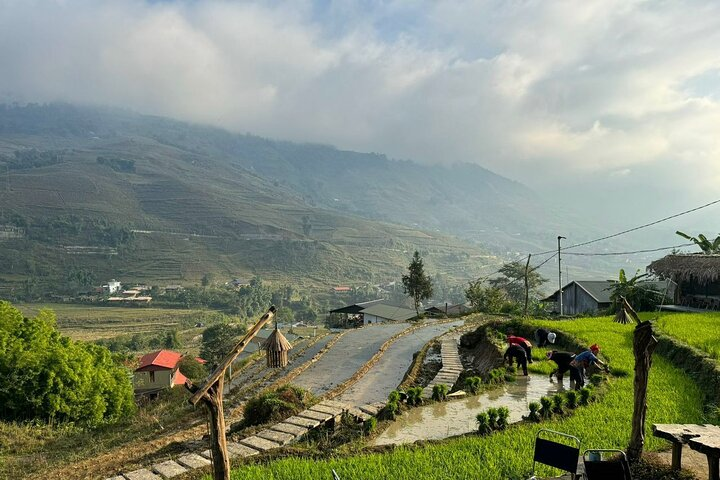
The Villages You May Visit on a Sapa Local Village Trek
What a Day on a Sapa Local Village Trek Feels Like
There is no strict schedule, but a typical day flows like this:
You start in the cool morning air. Clouds still sit low on the hills. After leaving town, the noise fades quickly.
The trail becomes smaller. Shoes get muddy. You cross streams on stepping stones. Your guide points to plants, explains how locals use them, or tells stories about growing up here.
Around midday, you rest. Lunch might be in a village home or a quiet spot overlooking the valley. The food is simple: rice, vegetables, maybe chicken or tofu, cooked with care.
In the afternoon, the light changes. Rice terraces glow softly. Children return from school. You arrive at the next village feeling tired—but in a good way.
This is the rhythm of a Sapa local village trek.
Easy Trek or Challenging Trek? Choosing the Right Route
Not all treks are the same. A good local guide will adjust the route to your comfort level.
Easy Village Trek
- Short distances (6–8 km)
- Gentle paths
- Suitable for families and beginners
- Focus on villages and culture
Moderate Village Trek
- Longer walks (10–15 km)
- Some uphill and downhill sections
- More remote villages
- Balanced nature and culture
Multi-Day Village Trek
- 2–3 days or more
- Overnight in homestays
- Deeper connection with local life
- Ideal for travelers who want to disconnect
There is no “better” option—only what fits you best.
What to Pack for a Village Trek in Sapa
You do not need expensive gear. Simple preparation is enough.
- Comfortable walking shoes (with grip)
- Light rain jacket
- Small backpack
- Refillable water bottle
- Sunscreen and hat
- Warm layer in winter
- Open mind and patience
Mud is part of the experience—do not fight it.
Food and Homestay Experience on the Trek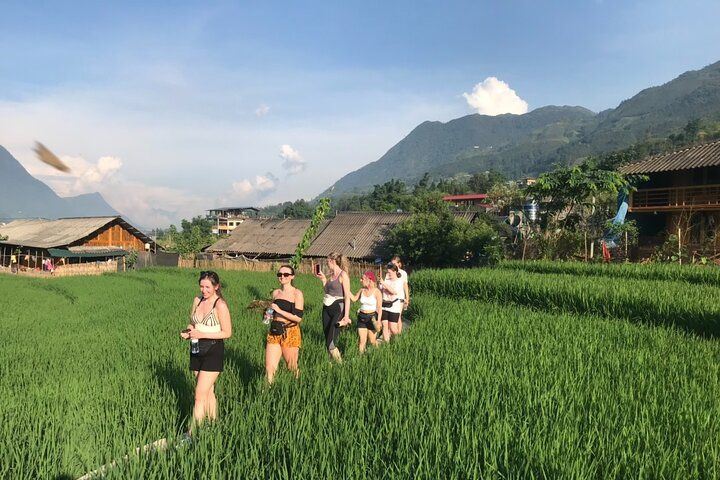
One of the highlights of a Sapa local village trek is sharing meals with local families.
Food is seasonal and honest. Vegetables come from the garden. Rice is home-grown. Meals are shared, not served.
Homestays are simple but warm. Mattresses on the floor, mosquito nets, shared bathrooms. What you lose in comfort, you gain in connection.
Evenings are quiet. Sometimes there is conversation, sometimes just silence and tea.
Why Local Guides Matter on a Sapa Local Village Trek
A local guide is not just someone who shows the way. They translate culture, protect the trails, and keep tourism meaningful.
They know whose house you are passing, which path floods in the rain, and when a village festival is happening.
Most importantly, they belong here. Trekking with them turns walking into understanding.
About Pu Luong Excursions
At Pu Luong Excursions, we believe the best journeys are slow, honest, and connected to the land. While our roots are in Pu Luong Nature Reserve, Thanh Hoa, our passion extends across Northern Vietnam’s countryside—from Sapa to remote ethnic villages few travelers reach.
We are a licensed travel company specializing in:
- Local village trekking
- Nature and jungle experiences
- Eco-friendly tours
- Homestays and small hotels
- Cultural journeys with ethnic communities
Our guides are local storytellers. They do not read from scripts. They share life as it is—simple, challenging, beautiful.
Whether it is a Sapa local village trek or a deep countryside journey elsewhere in Northern Vietnam, our goal is the same: real experiences, respectful travel, and memories that stay with you long after the walk ends.
Long after the photos fade, what remains is the feeling.
The sound of footsteps on dirt paths. The smell of wood smoke. The laughter of children. The quiet strength of people living close to the land.
A Sapa local village trek is not about ticking places off a list. It is about walking into stories—and leaving with one of your own.
If you want to truly understand Sapa, do not rush. Walk slowly. Follow the villages. Let the mountains guide you.