


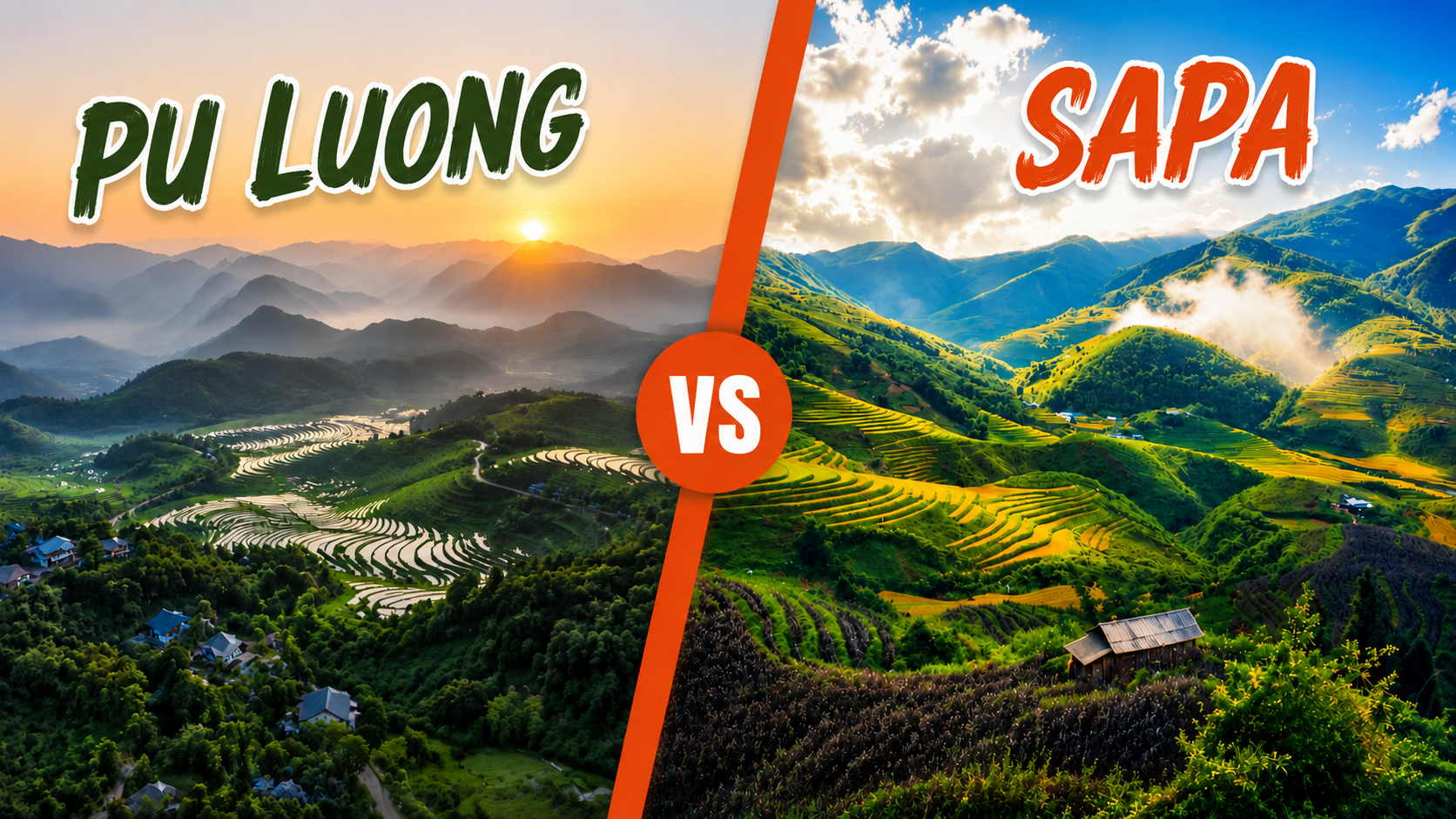
When you think of walking through green rice fields, seeing misty mountains, and meeting local ethnic groups in Vietnam, your mind probably goes straight to Sapa. For many years, Sapa has been the king of mountain travel in Northern Vietnam. But over the last few years, a quiet neighbor has caught the attention of travelers who want something different. That place is Pu Luong Nature Reserve.
At Pu Luong Excursions, we spend every day exploring the most beautiful countryside paths in Northern Vietnam. We love both of these places, but they offer completely different experiences. If you are trying to choose between a sapa vs Pu Luong trek, this guide will help you understand what each place really feels like on the ground, so you can pick the perfect adventure for your trip.
Sapa vs Pu Luong Trek: Which Has Better Scenery?
The first thing you will notice when comparing a sapa vs Pu Luong trek is how the ground beneath your feet changes.
Sapa: Walking Among the Giants
Sapa is located in Lao Cai province, high up in the Hoang Lien Son mountain range. This is home to Fansipan, the tallest peak in Indochina. When you walk here, everything feels massive. The valleys are deep, the mountains pierce the clouds, and the rice terraces look like giant staircases climbing up to the sky.
Because Sapa is high up (around 1,500 meters above sea level), the weather is cool all year round. Sometimes it gets incredibly misty, making you feel like you are walking through a dream. The views are wide, open, and dramatic. If you want to see giant mountain walls and endless lines of yellow rice terraces in the harvest season, Sapa delivers exactly what you see in the pictures.
Pu Luong: A Peaceful, Green Hideaway
Now, let us fly a bit further south to Thanh Hoa province, where Pu Luong sits quietly. Pu Luong is a nature reserve, not a high mountain town. The landscape here is a beautiful mix of thick tropical jungles, dramatic limestone cliffs, and hidden valleys covered in rice fields.
Walking in Pu Luong feels like entering a secret world. Instead of open, cold mountain paths, you walk through dense green forests, cross small bamboo bridges, and pass by old, wooden water wheels turning slowly in the rivers. It feels warmer, more tropical, and very peaceful. The mountains here are smaller than in Sapa, but they surround you closely, creating a cozy, untouched atmosphere.
Sapa vs Pu Luong Trek
The Trekking Experience: What Are the Trails Really Like?
How hard is the walk? Who will you share the trail with? This is where the difference between a sapa vs Pu Luong trek becomes very clear.
The Trails of Sapa
Trekking in Sapa can be quite physically challenging, but it is highly organized. Most trails start right from the main town or short drop-off points, taking you down into places like Muong Hoa Valley, Lao Chai, Ta Van, or Ta Phin village.
- The Ground: The paths can be very steep, rocky, and muddy. If it rains, the clay soil becomes as slippery as ice! You will definitely need good hiking shoes with a strong grip.
- The Crowd: Because Sapa is famous, you will rarely be alone. You will see other groups of hikers on the main trails, and local women from the Black Hmong or Red Dao groups will often walk with you, helping you cross tricky muddy spots and chatting along the way.
- The Vibe: It is social, busy, and energetic.
The Trails of Pu Luong
Trekking in Pu Luong feels like a true exploration. The trails are less worn down by tourist feet, and you are much more likely to have the views all to yourself.
- The Ground: The walking paths here take you through a wonderful variety of terrains. One hour you are walking on flat dirt paths between rice paddies, the next you are hiking up a rocky jungle hill, and later you are cooling your feet in a fresh mountain stream. It can be humid under the jungle canopy, which adds to the adventure feel.
- The Crowd: You will mostly meet local farmers working their fields, water buffaloes taking mud baths, and maybe a few ducks splashing in the streams. It is incredibly quiet.
- The Vibe: Peaceful, slow-paced, and closely connected to wild nature.
Culture and People
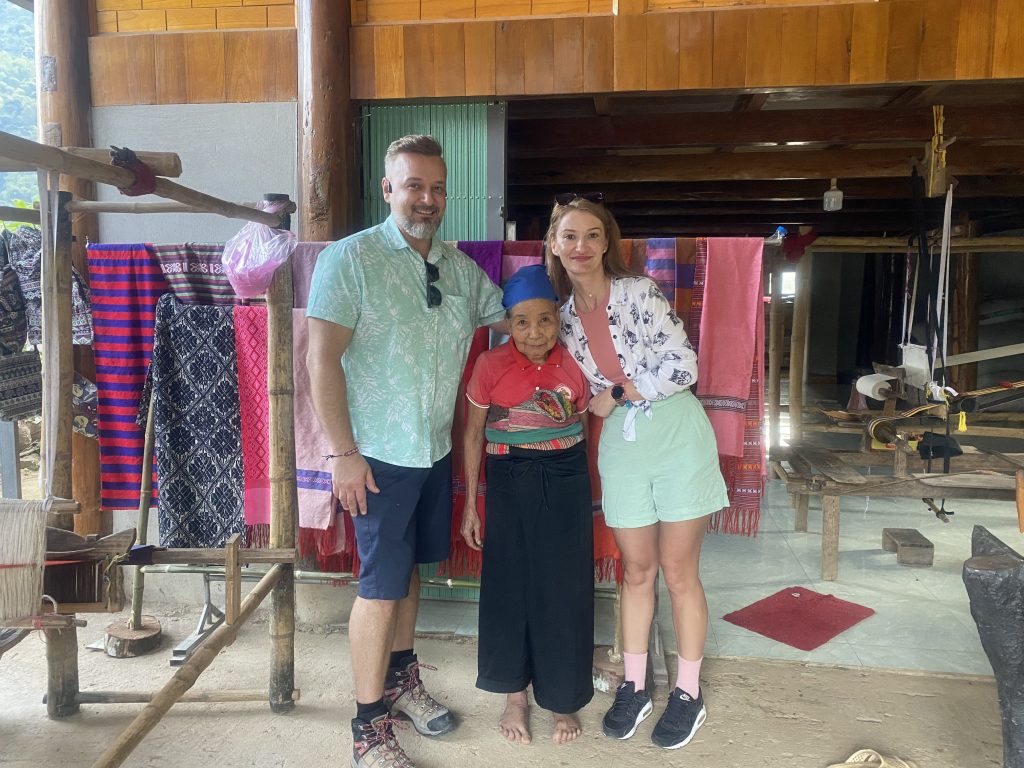
Both regions are home to wonderful ethnic minority communities who have lived on these lands for centuries, preserving their unique ways of life.
| Feature | Sapa Trekking | Pu Luong Trekking |
| Main Ethnic Groups | Black Hmong, Red Dao, Tay | White Thai, Muong |
| Traditional Houses | Earth-wall or wooden houses on the ground | Large, beautiful wooden stilt houses |
| Clothing Styles | Dark indigo clothes with intricate, bright embroidery | Simple, elegant dark skirts with colorful waistbands |
| Local Interaction | Very confident, commercial, conversational | Shy, gentle, everyday village life |
In Sapa, local people are very used to tourists. Many speak excellent English and are very good at selling their beautiful handmade crafts, bags, and blankets. It is easy to strike up a long conversation with your Hmong guide about her family and life.
In Pu Luong, life moves at a traditional rhythm. The White Thai and Muong people who live here are warm and welcoming, but less commercial. They might give you a shy smile from across a rice field or invite you onto the porch of their stilt house for a cup of warm tea. You get to see village life exactly as it happens every day, without the tourist rush.
Culture and People
See more: Pu Luong Forest Photography Trek: Forest Adventure
Where to Stay: Homestays, Hotels, and Eco-Resorts
After a long day of walking, you need a comfortable place to rest your tired legs. Both destinations have fantastic options, but they suit different travel styles.
Staying in Sapa
Sapa has a huge variety of accommodations. In Sapa town, you can find everything from cheap backpacker hostels and cozy boutique hotels to luxury 5-star hotels.
If you want an authentic experience on your sapa vs Pu Luong trek, you can stay in a village homestay. These are usually rustic wooden homes run by local families. You sleep on mattresses on a shared upper floor and eat a massive “family dinner” together with your hosts, drinking local rice wine (often called “happy water”).
Staying in Pu Luong
Pu Luong does not have a big, busy town. Instead, the accommodation is spread out across small villages like Ban Don, Ban Hieu, or Ban Kho Muong.
- Eco-Resorts: Pu Luong is famous for its beautiful, small eco-lodges and resorts built right into the hillsides. They use natural materials like bamboo, wood, and thatch roofs, and many feature stunning infinity pools that look out over the green valleys.
- Authentic Homestays: You can also stay in traditional White Thai stilt houses. Sleeping elevated above the ground, listening to the sounds of frogs and crickets in the rice fields outside, is an experience you will never forget.
Best Time to Visit
Because they are in different parts of Northern Vietnam, the weather and harvest times do not match up perfectly.
Sapa’s Best Months
- March to May: Beautiful, clear spring weather with wild flowers blooming. Farmers are filling the terraces with water, making them look like giant mirrors.
- September to October: The absolute peak season. The rice turns a brilliant golden yellow just before the harvest. The weather is cool and dry.
- Winter (December to February): It gets very cold, sometimes even snowing! Mist can block the mountain views for days, so it is less ideal for trekking unless you love cold weather.
Pu Luong’s Best Months: The Two-Harvest Rhythm
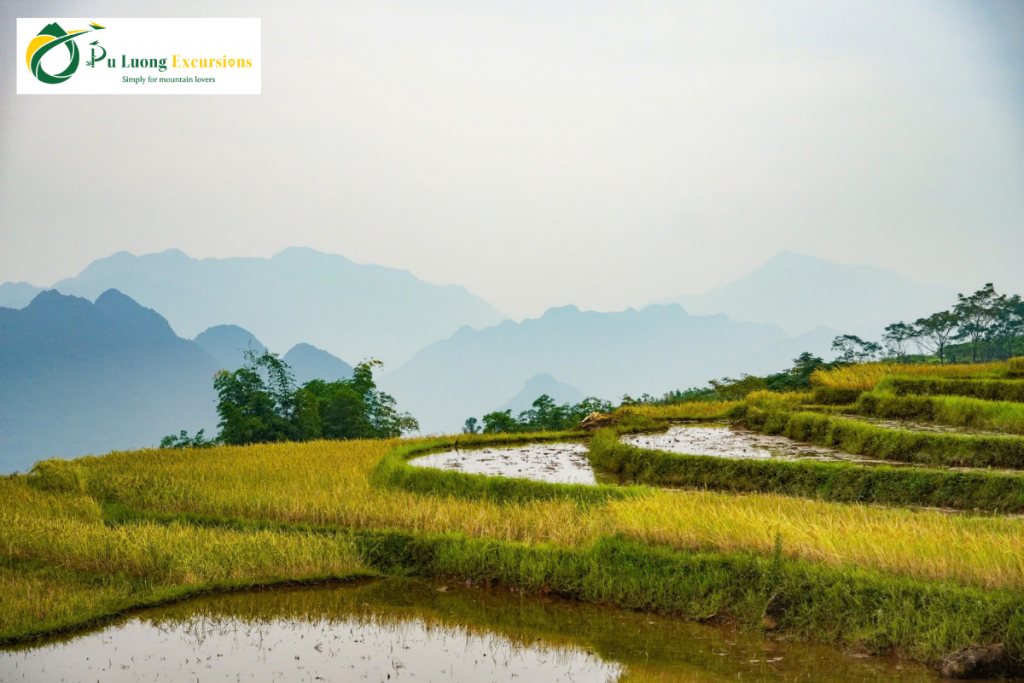
One of the best things about a sapa vs Pu Luong trek is that Pu Luong has two rice crops per year instead of just one. Because the rice in the valleys and the mountains grows at slightly different times, you can often see farmers harvesting in one area while neighboring fields are still a bright, golden yellow.
Here is exactly what the fields look like throughout the year so you can time your trek perfectly:
- Mid-May to June & October to Early November (The Golden Harvest): This is the ultimate “golden time.” The valleys turn a brilliant yellow, and you will see local farmers wearing traditional conical hats dotted across the landscape, busy harvesting the ripe rice.
- Mid-April to Mid-May & August to September (The Lush Green): The rice grows rapidly during these weeks. The fields turn a vibrant, bright green that blends beautifully with the surrounding primary forests and jungle cliffs, creating a spectacular cocktail of green shades.
- March to Mid-April & July (The Mirror Season): Before the rice grows tall, the paddies are filled with water. The fields turn into giant mirrors reflecting the open sky, mountains, and clouds. It looks absolutely magical, especially during sunrise and sunset.
- November to March (The Resting Season): After the big autumn harvest, the fields take a break to regain energy. The land is left fallow, making it a peaceful playground for local water buffaloes wandering through the valleys. (A shorter resting period also happens in June right after the first harvest).
Best Time to Visit
Sapa vs Pu Luong Trek: The Final Verdict
To help you make your final choice, let us summarize who each destination is best for.
Choose Sapa if:
- You want to see massive, world-famous, dramatic mountain landscapes.
- You want to climb Fansipan, the roof of Indochina.
- You enjoy a lively town atmosphere with plenty of restaurants, bars, and cafes to visit after your trek.
- You want to interact closely with Hmong and Red Dao cultures.
Choose Pu Luong if:
- You want to escape the crowds and walk on quiet, peaceful trails.
- You love a mix of jungle paths, rocky cliffs, streams, and traditional water wheels.
- You want to relax in a peaceful eco-resort with a pool overlooking the rice fields.
- You prefer a slower, authentic look at traditional rural Vietnamese life.
Experience the Best of Northern Vietnam with Pu Luong Excursions
We hope this comparison helps you picture your next walking adventure! Whether you choose the grand heights of Sapa or the hidden valleys of Pu Luong, Northern Vietnam will steal your heart.
If you are looking for an authentic, stress-free journey, Pu Luong Excursions is here to help. We are a fully licensed travel company specializing in creating Northern Vietnam’s finest countryside tours. We don’t just show you the sights; we bring you deep into ethnic culture, lead you along untouched trekking trails, and take you on unforgettable jungle rides.
From cozy local homestays and comfortable hotels to beautiful eco-resorts, we arrange everything to match your travel style. Let our experienced local guides show you the true warmth and beauty of our homeland.