


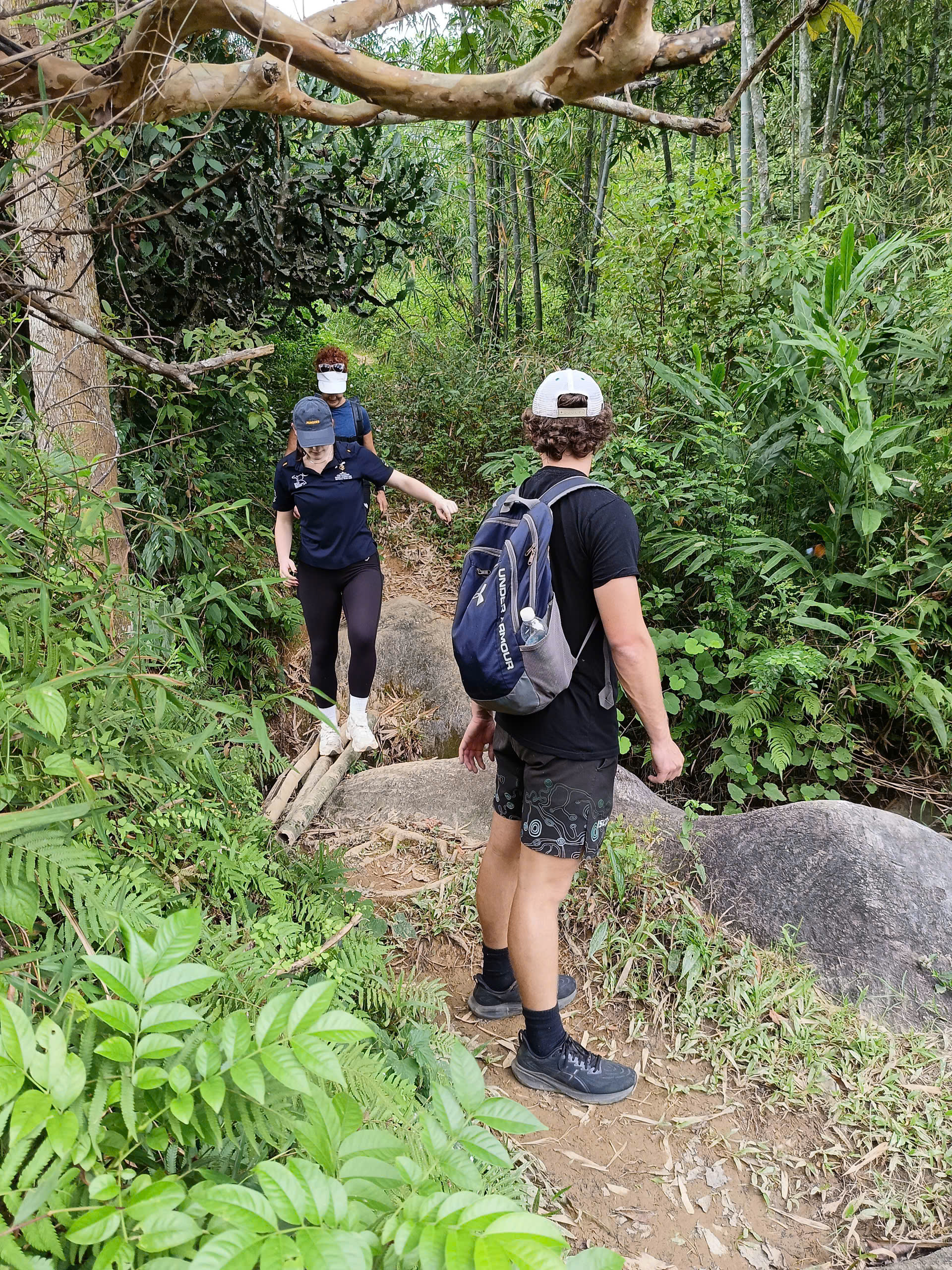
What if your next trekking trip did more than just give you great views and tired legs? What if the trail you walked also helped bring a forest back to life?
That is exactly what a volunteer trek Pu Luong reforestation program offers. You hike through one of northern Vietnam’s most beautiful nature reserves, you spend time in Thai and Muong villages along the way, and at some point during the journey — usually on the second day, deep in the forest — you stop, dig, and plant trees.
It sounds simple. And in a way, it is. But the impact of that act, multiplied across dozens of volunteer trekkers a year in a nature reserve that has seen significant forest loss over the past few decades, adds up to something real.
This guide covers everything you need to know about joining a volunteer trek in Pu Luong focused on reforestation — what the experience looks like, who it is for, and how your participation makes a difference.
Why Reforestation Matters in Pu Luong
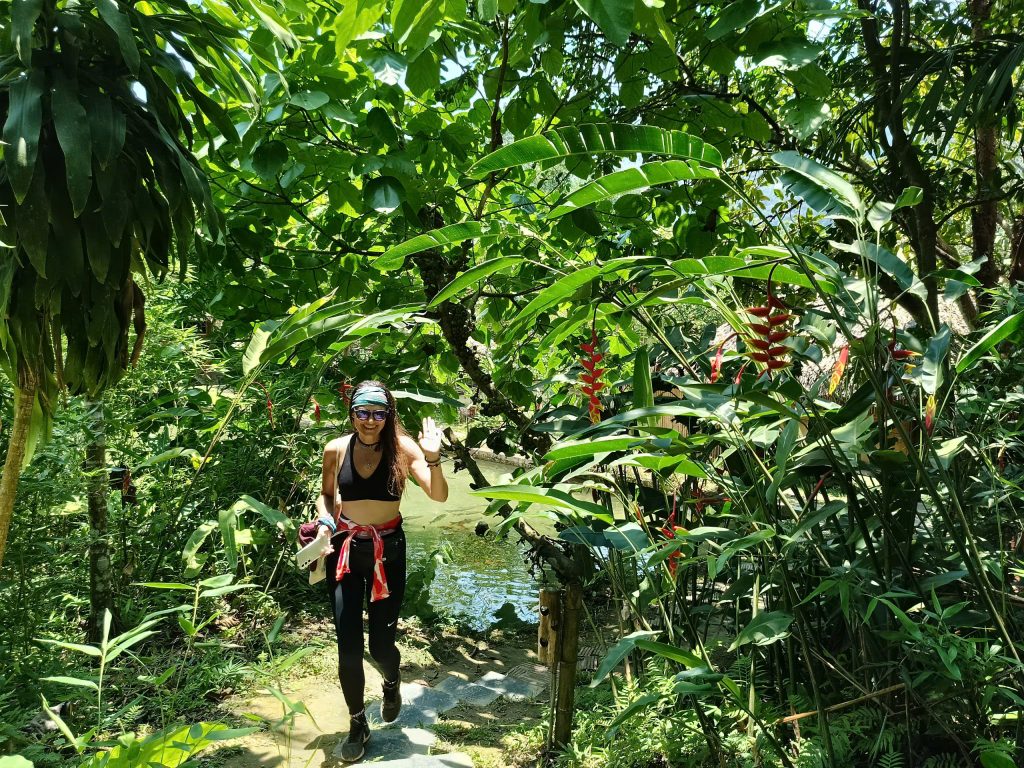
Pu Luong Nature Reserve stretches across more than 17,000 hectares in Thanh Hoa province. It is home to some of northern Vietnam’s most important tropical forest ecosystems, including areas of primary forest that have never been cleared. But like many protected areas in Southeast Asia, parts of Pu Luong have experienced deforestation — from agricultural expansion, firewood collection, and past logging activity — that has thinned the tree cover in vulnerable zones.
The consequences of this forest loss are visible and practical. Without tree roots holding the soil in place, hillsides become prone to erosion and landslides during heavy rain. Streams that run through the valley can become silty and unstable. Biodiversity declines as habitat shrinks. And the communities who depend on the forest — for water, for food, for the ecosystem services that keep their farms productive — feel the effects directly.
Reforestation is not a quick fix, but it is one of the most effective long-term responses. Planting native tree species in degraded areas helps stabilise soil, restore water cycles, bring back wildlife habitat, and — over time — rebuild the kind of forest that was there before.
When travellers join a volunteer trek Pu Luong reforestation program, they are contributing to this effort in a direct, physical way. And by doing it through a trek rather than a sit-and-plant session, they also get to understand the landscape they are helping to restore.
Why Reforestation Matters in Pu Luong
What Is a Volunteer Trek Reforestation Program in Pu Luong?
A volunteer trek reforestation program in Pu Luong is a multi-day guided trek that combines trail walking with organised tree planting activity, usually in collaboration with a local community group or conservation partner working in the nature reserve.
It is not a charity event. You do not need to fundraise or have any prior conservation knowledge. You just need to be willing to hike, to get your hands in the soil, and to spend a few days in one of the most beautiful corners of northern Vietnam.
A typical program includes:
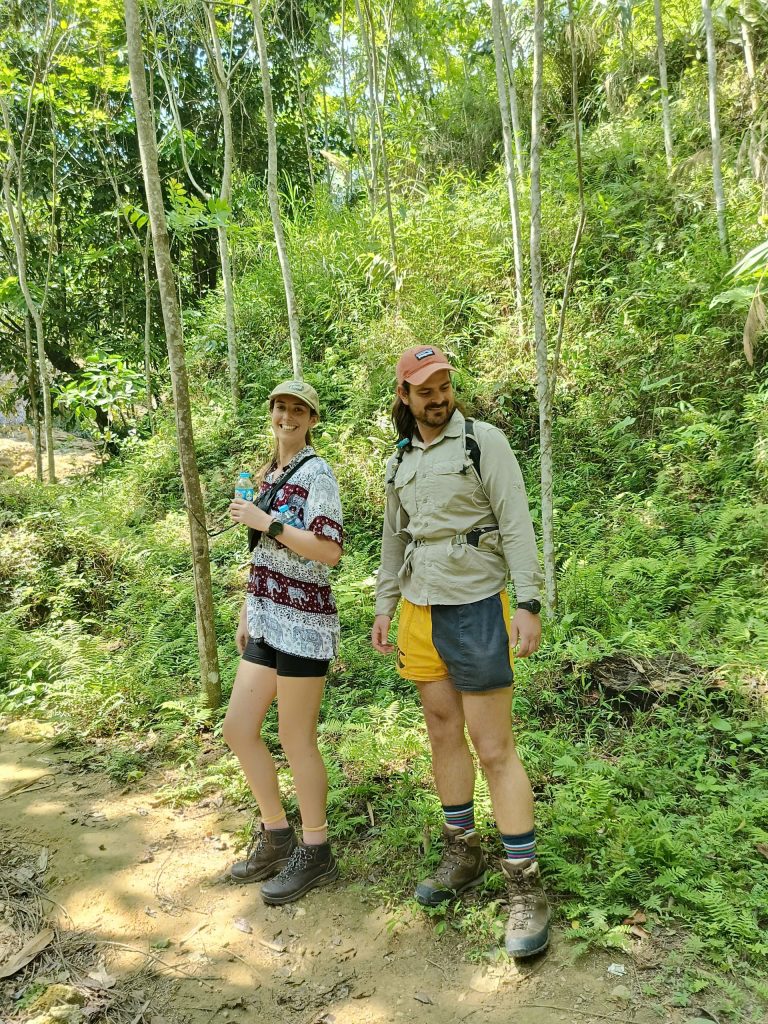
- Guided trekking on trails through the nature reserve and village areas, led by local guides who know the landscape well
- Tree planting sessions in designated reforestation zones, using native species selected by the conservation team for the specific conditions of each site
- Community interaction — eating with local families, staying in village homestays, and hearing from community members about their relationship with the forest
- Environmental briefing — a short introduction at the start of the program explaining what is being planted, why, and how the reforestation effort fits into the bigger picture of conservation in Pu Luong
The result is a trek that feels purposeful from start to finish. You are not just passing through the landscape — you are actively contributing to its future.
What Is a Volunteer Trek Reforestation Program in Pu Luong
See more: Eco Lodge Pu Luong Village: Where Nature, Comfort, and Culture Meet
What Happens Day by Day on a Volunteer Trek in Pu Luong
Programs vary in length, but a three-day format is the most common and gives enough time to cover meaningful ground both physically and in terms of community connection. Here is what a typical volunteer trek Pu Luong reforestation itinerary looks like.
Day One — Arrive, Meet the Community, Learn the Mission
Most volunteer trekkers arrive in the Pu Luong valley in the late morning or early afternoon, either from Hanoi (around 3.5 to 4.5 hours by car) or from another stop on a northern Vietnam itinerary.
After settling into the homestay, the first afternoon is for orientation. Your local guide — usually from one of the Thai or Muong villages in the valley — introduces the area, explains the terrain you will be walking, and gives a brief overview of the reforestation program: which areas have been identified for planting, what species are being used, and what the planting process will look like.
The evening is spent with the host family. A shared dinner of local food, sticky rice, and perhaps a small glass of rice wine is the best possible introduction to village life in Pu Luong. The conversation around the table — about the forest, about farming, about what has changed in the valley over the past generation — often turns out to be one of the most memorable parts of the whole trip.
Day Two — Into the Forest: Trek and Tree Planting
Day two is the heart of the experience. You set off in the morning, before the day gets too warm, on a trail that takes you through rice terraces, bamboo groves, and into the denser sections of the nature reserve.
The planting site is usually two to three hours into the trek — far enough from the village that you are genuinely in the forest, but not so far that getting there becomes a challenge. At the site, the conservation team or your guide explains the process: how to dig the right-sized hole, how to handle the seedling without damaging the root ball, how deep to plant, and how to firm the soil around the base.
Most people plant between five and fifteen trees during the session, depending on the size of the group and the time available. The work is physical but not exhausting — and there is something satisfying about it that is hard to explain until you do it. You dig a hole in a hillside in northern Vietnam, you put a tree in the ground, and you know that if things go well, it will still be there in fifty years.
After the planting session, the trek continues to a viewpoint, a waterfall, or another natural highlight before heading back to the village for the night. Dinner on day two tends to be a relaxed, shared affair — people are tired in a good way, and conversation flows easily.
Day Three — Village Life, Rest, and Reflection
The final day is lighter. A short morning walk through the village, a visit to a local family to watch or try traditional weaving, and time to simply sit with the landscape before heading out.
Some programs include a brief debrief on the last morning — a chance to ask questions about the reforestation effort, hear about how previous plantings have progressed, and talk through what follow-up monitoring looks like. For travellers with a specific interest in conservation, this is a valuable conversation.
By midday, most volunteer trekkers are heading back toward Hanoi or their next destination — carrying with them something that goes beyond the usual travel souvenir.
Who Is This Trek For?
The honest answer is: most people who enjoy being outdoors and care about the places they visit.
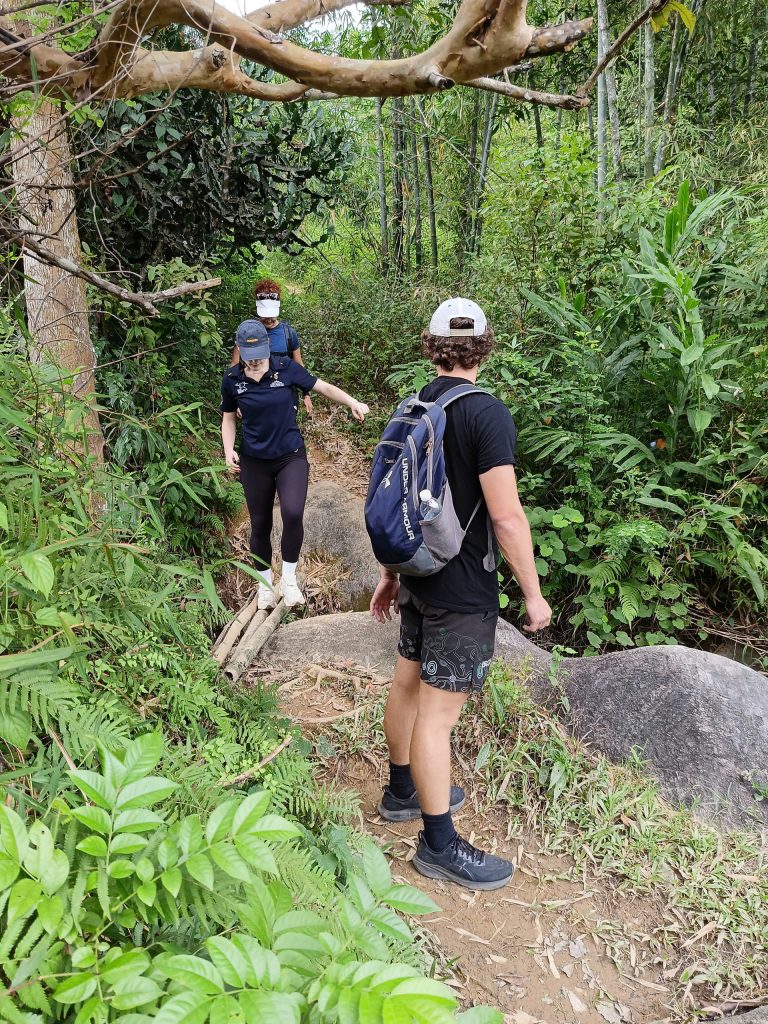
You do not need to be an experienced trekker. The trails on a volunteer program in Pu Luong are challenging enough to feel rewarding but accessible to anyone with a reasonable level of fitness. Expect full-day walks of five to eight hours, with some uphill sections and uneven terrain. If you can do a moderate day hike at home, you can do this.
You do not need a background in conservation or forestry. The planting process is simple and well-explained. What you bring is physical energy and genuine interest — the technical knowledge is handled by the local team.
This kind of program suits:
- Solo travellers looking for a more meaningful travel experience than a standard tour
- Couples or small groups of friends who want to do something active and purposeful together
- Gap year or career break travellers who have more time and want to use it well
- Corporate or school groups looking for team-building or educational experiences with a real-world environmental dimension
- Anyone who has visited Vietnam before and wants to go deeper than the typical tourist circuit
Age is not a barrier. Participants range from university students to retirees. What matters is motivation, not age or background.
Who Is This Trek For
Pu Luong Excursions: Trekking With a Purpose in Northern Vietnam
Pu Luong Excursions is a licensed tour operator based in Pu Luong Nature Reserve, Thanh Hoa. We have been running trekking and community experiences in this valley for years, and our volunteer trek Pu Luong reforestation programs are a natural extension of the responsible travel philosophy we have always worked by.
We organise reforestation treks in partnership with local community groups and conservation efforts active in and around the nature reserve. Our guides are from the Thai and Muong villages of Pu Luong — people who know the forest personally and have a direct stake in seeing it recover.
What we offer for volunteer trekkers includes:
- 2-day / 1-night introductory reforestation treks — a compact program for travellers with limited time who still want a genuine planting experience and overnight village stay
- 3-day / 2-night full volunteer trek programs — the most popular format, combining serious trekking, a full planting session, and deep community interaction
- Custom group programs for schools, universities, NGOs, or corporate teams looking for a structured environmental volunteering experience in northern Vietnam
- Combined itineraries that pair a reforestation trek with other Pu Luong experiences — community tours, eco lodge stays, or onward travel to Mai Chau or Ha Giang
All programs include local guide fees, homestay accommodation, meals, and a contribution to the tree planting materials and conservation coordination costs. We keep group sizes small — typically four to twelve people — to reduce the impact on the trail and the communities along it.
If you are travelling solo and want to join a scheduled group departure, we can help with that too. Contact us to check upcoming dates and availability.