


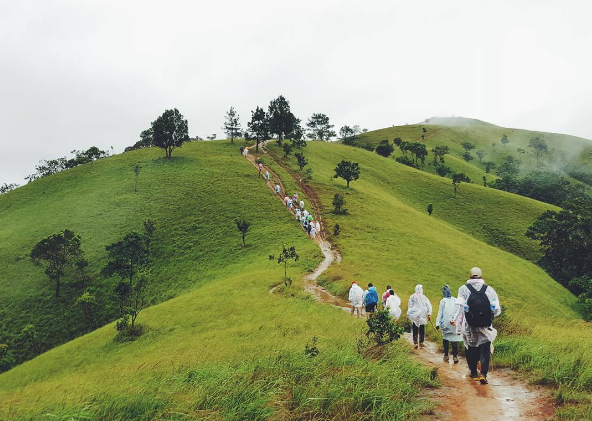
If you want to escape the tourist crowds, hear nothing but the sound of your own footsteps and the rustle of bamboo forests, and share a genuine cup of rice wine with local hill tribes who rarely see foreigners, you need to head off the beaten path.
Finding the best offbeat trek vietnam northern region has to offer requires stepping away from the mainstream itineraries and venturing into the raw, untamed wilderness of Southeast Asia. This comprehensive guide will take you through the ultimate offbeat trekking circuits, introducing you to untouched nature reserves, remote ethnic communities, and legendary high-altitude peaks that define the spirit of true adventure.
Why Choose an Offbeat Trek in Northern Vietnam?
When you opt for a lesser-known trekking route over a commercialized tourist hub, your entire travel experience undergoes a radical transformation. Here is why exploring the offbeat side of Northern Vietnam is an absolute must for outdoor enthusiasts:
- Pristine Natural Beauty: Untouched by mass tourism, these trails feature cleaner environments, denser forests, and unmarred panoramic views that look exactly as they did generations ago.
- Genuine Cultural Immersion: In crowded tourist towns, cultural interactions can sometimes feel transactional. On an offbeat trek, the hospitality of the local Muong, Thai, Hmong, and Dao ethnic minorities is purely organic. You are welcomed into their stilt houses as an honored guest, not just another customer.
- Physical and Mental Reset: Without the noise of motorbikes, souvenir vendors, and hundreds of fellow travelers, you can truly connect with nature. The silence of the northern highlands is a therapeutic antidote to modern city stress.
- Supporting Sustainable Ecotourism: Traveling to remote areas ensures that your tourism dollars directly benefit local communities, providing income to remote villages that do not otherwise have access to economic opportunities.
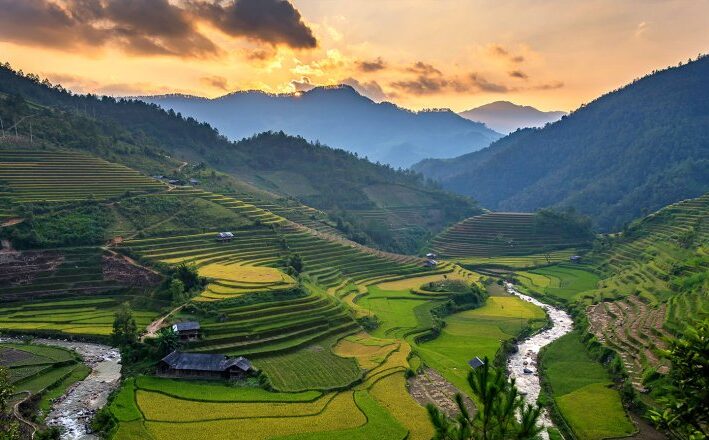
Offbeat Trek in Northern Vietnam
Top Destinations for the Best Offbeat Trek in Northern Vietnam
To help you plan your next great adventure, we have mapped out the finest offbeat trekking destinations across the northern mountains. Each of these regions offers a unique blend of challenging terrain, jaw-dropping scenery, and rich cultural tapestry.
Pu Luong Nature Reserve: The Green Jewel of the North
Located in Thanh Hoa province, just a few hours southwest of Hanoi, Pu Luong Nature Reserve is arguably the most perfectly balanced destination for an offbeat trek. It offers all the visual splendor of Sa Pa’s famous terraced fields but retains a fraction of the tourists.
- The Landscape: Pu Luong is characterized by dramatic limestone mountain ranges, deep fertile valleys, cascading waterfalls, and dense tropical jungles. The signature sight here is the traditional water wheels made of bamboo, delivering water to the multi-tiered rice paddies.
- The Trails: Trekking paths in Pu Luong range from easy valley walks between Thai and Muong ethnic villages to strenuous climbs up Mount Pu Luong (the highest peak in the reserve at $1,700 \text{ meters}$).
- The Cultural Experience: You will hike through villages like Bản Đôn, Bản Kho Mường, and Bản Hiêu. Staying overnight in a traditional wooden stilt house elevated above the ground allows you to fall asleep to the chorus of jungle crickets and wake up to the morning mist rolling across the paddies.
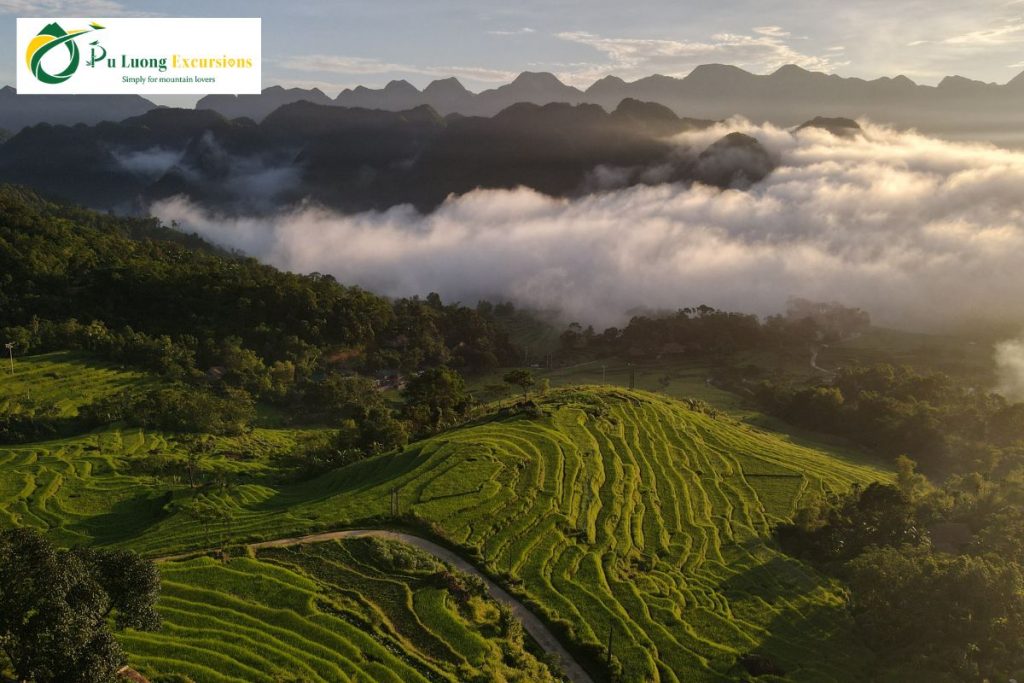
Pu Luong Nature Reserve
Hoang Su Phi: The Masterpiece of Terraced Paddies
While the Ha Giang Loop has exploded in popularity, the western district of Hoang Su Phi remains beautifully isolated. It is home to some of the steepest and most breathtaking rice terraces in the world, designated as a National Heritage site.
- The Landscape: The mountains here are incredibly steep, creating a dramatic visual effect where rice terraces seem to climb straight into the heavens. In the harvest season (September to October), the entire landscape turns a shimmering, brilliant gold.
- The Trails: Trekking here is physically demanding. Paths twist up muddy slopes, wind through ancient tea forests (Shan Tuyết tea plants that are hundreds of years old), and traverse razor-sharp ridges.
- The Cultural Experience: Hoang Su Phi is incredibly diverse, inhabited by the Nùng, Dao Đỏ (Red Dao), Hmong, and La Chí peoples. The lack of standard hotel infrastructure means homestays are the norm, offering an incredibly raw look into their daily agricultural lifestyles.
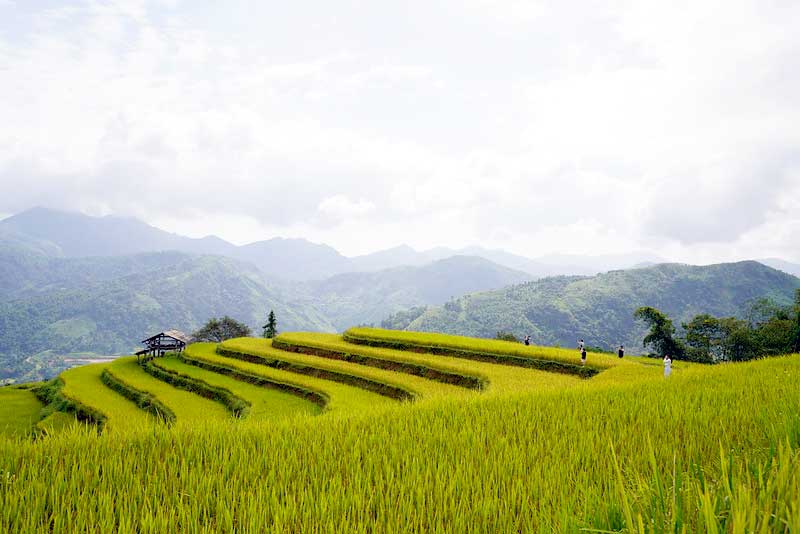
Hoang Su Phi: The Masterpiece of Terraced Paddies
See more: Mu Cang Chai vs Pu Luong Rice Terraces: A Complete Travel Comparison
Cao Bang and the Borderlands
Most people visit Cao Bang solely to see the famous Bản Giốc Waterfall and then leave. However, the surrounding UNESCO Global Geopark holds some of the finest hidden trekking routes in all of Southeast Asia.
- The Landscape: This is a wonderland of classic fengshui landscapes—towering limestone karsts, subterranean caves, and turquoise rivers winding through quiet valleys.
- The Trails: Offbeat treks take you along the border ridges, past hidden valleys like Thang Hen Lake system, and through the magical Angel Eye Mountain (Núi Mắt Thần), a karst mountain with a massive natural hole pierced clean through its center.
- The Cultural Experience: The region is primarily home to the Tày and Nùng ethnic groups. Their villages are distinct, often featuring houses built completely out of stone with tile roofs, nestled against the bases of towering cliffs.
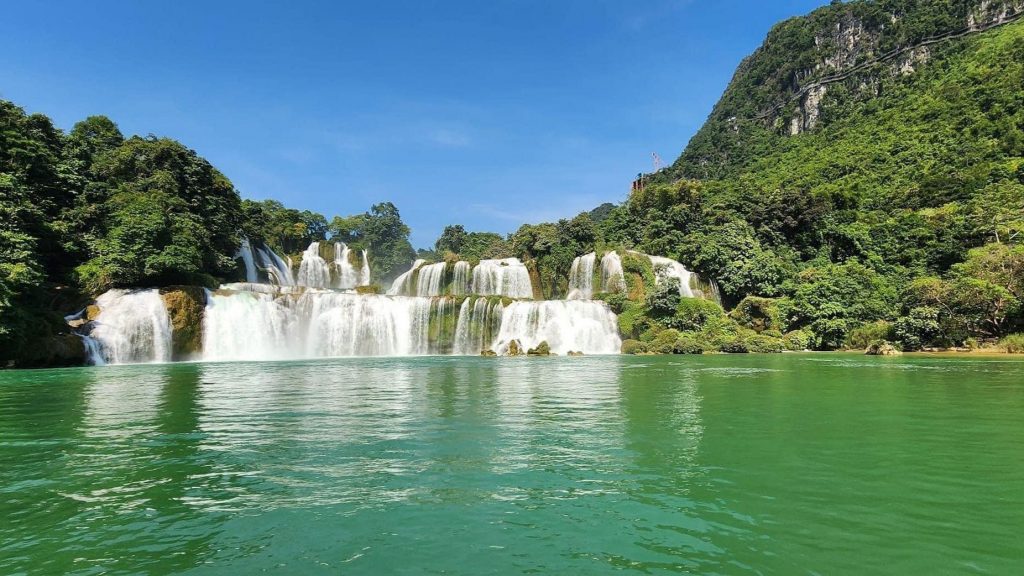
Cao Bang and the Borderlands
Bac Ha and Simacai: The Vibrant Wilderness
Often overshadowed by nearby Sa Pa, Bac Ha and the neighboring district of Simacai offer an exceptional alternative for hikers who want to combine rugged trekking with the kaleidoscopic colors of ethnic markets.
- The Landscape: The terrain here is drier and rugged, featuring dramatic pine forests, plum orchards, and deep river canyons carved out by the Chảy River.
- The Trails: Hikers can explore remote tracks connecting isolated Hmong and Phu La hamlets, where the trails are often nothing more than local walking paths used to herd water buffaloes.
- The Cultural Experience: Timing your trek around the weekend allows you to witness the spectacular Bac Ha or Cán Cấu markets. Unlike commercialized tourist shows, these are vital trading hubs where locals barter for livestock, handmade textiles, and traditional medicines.
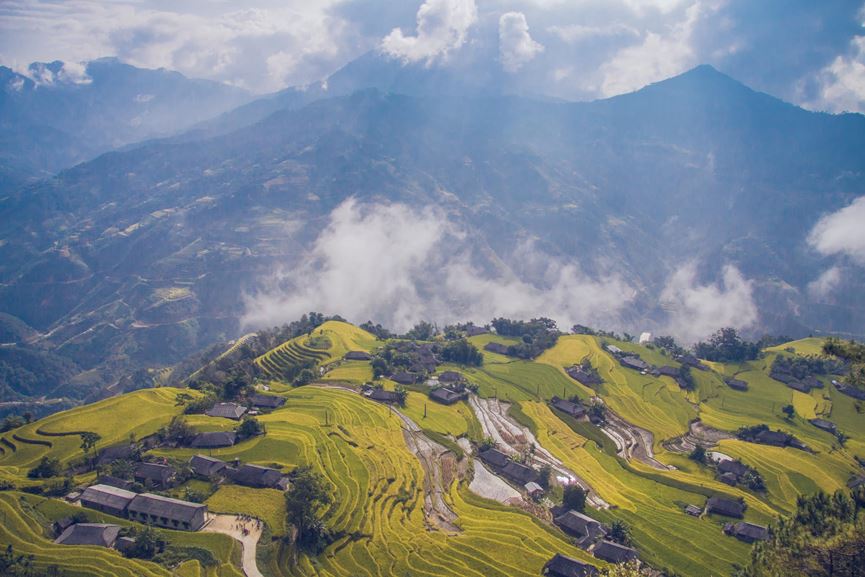
Bac Ha and Simacai
The Magnificent Peaks: Legendary High-Altitude Trekking Routes
For adventurers who want to push their limits and scale the highest rooflined ridges of the north, the provinces of Lao Cai, Yen Bai, and Lai Chau offer legendary peak-trekking routes. These aren’t just hikes; they are expeditions through prehistoric mossy forests and cloud oceans.
Ta Lien Son Peak (Lai Chau Province)
Known as the “Fairytale Forest” of Vietnam, Ta Lien Son ($2,996 \text{ meters}$) offers a trekking experience that feels like stepping into a fantasy novel.
- The Trail: The path is characterized by a dense, ancient jungle where every surface—from giant tree trunks to rocks—is covered in a thick blanket of green moss. In the autumn (around October and November), the forest floor turns into a brilliant carpet of red and yellow maple leaves.
- The Highlight: Reaching the crest reveals a unique vegetation zone where azalea flowers bloom wildly in spring, contrasting beautifully with the jagged cliffs.
Ta Chi Nhu Peak (Yen Bai Province)
Often referred to as the “Ocean of Clouds” or the “Roof of Yen Bai,” Ta Chi Nhu ($2,979 \text{ meters}$) is a bucket-list destination for hardcore trekkers looking to master the art of cloud-hunting.
- The Trail: This is a notoriously strenuous trek with very little tree cover. You will hike along steep, exposed windy ridges under the open sky, which requires excellent physical stamina and sun protection.
- The Highlight: In September, the mountain slopes turn into a dreamy purple paradise as carpets of wild Chi Pâu flowers bloom. At the summit, the sunrise reveals a vast, solid sea of white clouds stretching out beneath your feet as far as the eye can see.
Lao Than Peak (Lao Cai Province)
If you are a beginner looking for your very first high-altitude trekking milestone, Lao Than ($2,860 \text{ meters}$) in Y Tý is the ultimate choice. It is widely considered the most accessible peak for catching dramatic cloud views.
- The Trail: The terrain is relatively gentle, consisting mostly of low shrubs, grassy hills, and clear pathways. It takes a moderate 4 to 5 hours of hiking to reach the overnight camping campsite.
- The Highlight: The peak offers iconic photography spots, including natural rock ledges that jut out over deep valleys filled with rolling white mist. The sunset and sunrise views here are truly therapeutic.
Lung Cung Peak (Yen Bai Province)
Named after a remote village of the Hmong ethnic group in Mu Cang Chai, Lung Cung ($2,913 \text{ meters}$) remains one of the most untouched and deeply isolated peaks in the region.
- The Trail: The route takes you through a fascinating shift in ecosystems. You start by walking through vast bamboo forests, move into ancient mossy rainforests, and finally emerge onto massive, open alpine meadows that look like European highlands.
- The Highlight: Because it is less commercialized than other peaks, you will experience absolute solitude. Standing on the wide, grassy summit plateau with the Vietnamese flag flying is a profoundly rewarding feeling.
Ta Xua Peak (Son La / Yen Bai Border)
Not to be confused with the casual cloud-viewing spots reachable by motorbike, the actual trekking route to the summit of Ta Xua ($2,865 \text{ meters}$) is a legendary challenge known for its thrilling topography.
- The Trail: This route features the famous “Dinosaur Spine” (Sống Lưng Khủng Long)—a razor-thin, rocky ridge with sheer drops on both sides. Hikers must navigate narrow tracks where navigating requires absolute concentration and steady nerves.
- The Highlight: Surviving the spine rewards you with entry into an enchanted mossy forest where ancient, twisted trees are draped in lichens, looking like a living museum of primeval nature.
Legendary High-Altitude Trekking Routes
Comparative Overview of Northern Vietnam’s Offbeat Trekking Regions
| Destination / Peak | Difficulty Level | Key Landscape Features | Primary Ethnic Groups | Best Time to Visit |
| Pu Luong | Easy to Strenuous | Jungles, Karsts, Water Wheels | White Thai, Muong | Oct – Nov & Feb – May |
| Hoang Su Phi | Moderate to Hard | Steep Terraced Fields, Tea Forests | Red Dao, Hmong, La Chí | September – October |
| Cao Bang | Moderate | Geopark Karsts, Hidden Lakes, Caves | Tày, Nùng | September – April |
| Bac Ha / Simacai | Moderate | Pine Woods, Plum Orchards, Canyons | Flower Hmong, Phu La | November – March |
| Ta Lien Son | Moderate | Ancient Mossy Forest, Maple Trees | Dao, Hmong | October – December |
| Ta Chi Nhu | Hard | Bare Ridges, Chi Pâu Flower Carpets | Hmong | September – November |
| Lao Than | Easy | Grassy Hills, Shrublands, Cloud Sea | Hà Nhì | October – March |
| Lung Cung | Moderate | Bamboo Groves, Alpine Meadows | Hmong | November – April |
| Ta Xua | Hard | Narrow Razor Ridges, Primeval Woods | Hmong | October – April |
When to Embark on Your Northern Vietnam Trek
The climate in Northern Vietnam is highly seasonal, and picking the right window is crucial for a safe and visually spectacular trek.
The Golden Autumn (September – November)
This is widely considered the absolute best time for a northern trek. The summer rains have ceased, the air is crisp and cool, and the humidity drops significantly. Most importantly, this coincides with the harvest season. The valleys turn into a golden sea of ripe rice, making for unforgettable photography and hiking conditions.
The Cool Spring (February – April)
Spring brings a rejuvenation of nature. The wild peach, plum, and cherry blossoms carpet the hillsides in shades of pink and white. The weather is generally pleasant, though mornings can be quite misty—giving the mountains an ethereal, mysterious atmosphere.
The Monsoon Reality (June – August)
Summer is the rainy season in the north. While the landscapes are incredibly lush, green, and vibrant, trekking during these months can be highly challenging. Heavy downpour can cause landslides, trails turn into slick mud, and leeches become a common nuisance. If you do trek in summer, choose well-maintained valley routes rather than high-altitude climbs.
Discover the Heart of the North with Pu Luong Excursions
Embarking on the best offbeat trek vietnam northern route requires expert navigation, deep local connections, and responsible logistics. This is where Pu Luong Excursions comes in as your trusted companion.
As a fully licensed tour operator, Pu Luong Excursions is widely recognized for organizing Northern Vietnam’s finest countryside tours, expertly weaving together ethnic culture, trekking adventures, and thrilling jungle rides. We don’t just guide you along trails; we connect you to the very soul of the land.
Based in the stunning valleys of Thanh Hoa, we are a premier hospitality and travel provider specializing in immersive nature experiences, wilderness trekking, eco-friendly hotels, and authentic homestays in Pu Luong. Whether you are looking to conquer challenging mountain summits like Ta Xua or Ta Lien Son, cycle through untamed jungles, or relax in a boutique eco-resort overlooking the rice terraces, our local guides ensure your journey is safe, profoundly authentic, and tailored to your fitness level. Let us take you beyond the tourist maps and into the real, vibrant heartbeat of rural Northern Vietnam.
The mountains of Northern Vietnam are calling to those who crave true exploration. By bypassing the over-commercialized hubs and choosing the best offbeat trek vietnam northern pathways, you open yourself up to a world of unparalleled natural grandeur, deep-rooted cultural discoveries, and unforgettable personal achievements.
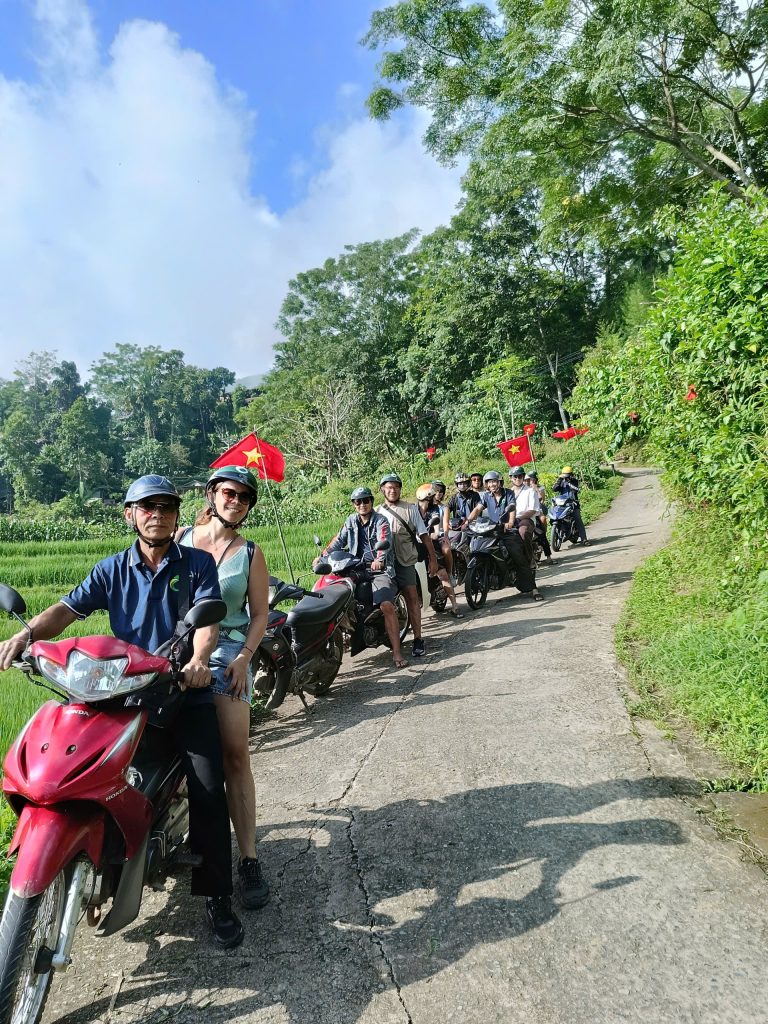
Pu Luong Excursions
Whether it is watching the sunrise over the misty valleys of Pu Luong, navigating the dizzying heights of Hoang Su Phi’s golden terraces, or resting your feet in a centuries-old stone village after conquering a grueling mountain ridge, these offbeat trails offer a rare glimpse into an untamed, authentic Asia. Pack your bags, lace up your boots, leave your expectations behind, and step out onto the hidden paths of Northern Vietnam—an adventure of a lifetime awaits.