


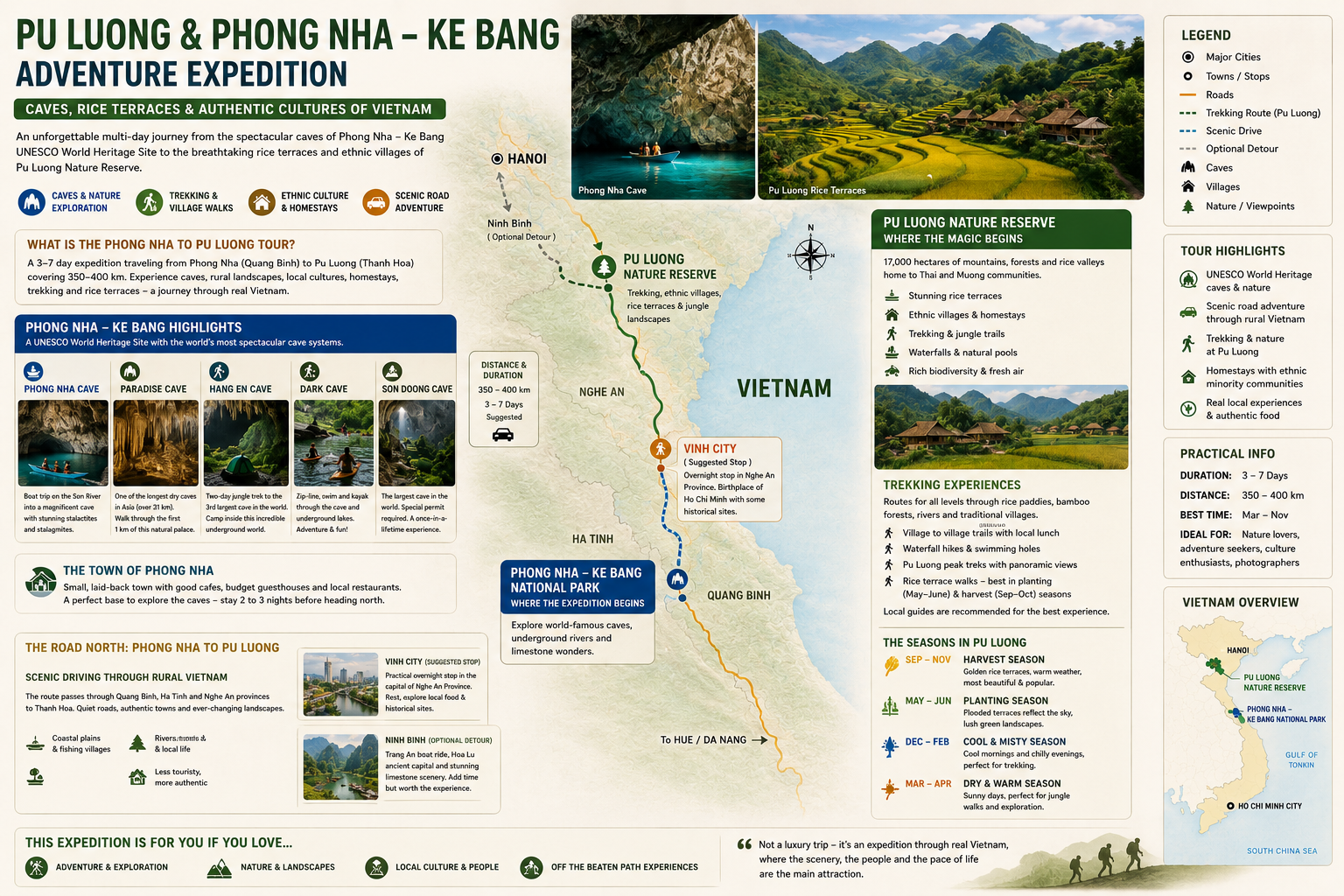
If you are looking for a Vietnam trip that goes beyond the tourist trail, the Phong Nha to Pu Luong tour expedition might be exactly what you need. This route connects two of Central and Northern Vietnam’s most stunning natural areas — the cave-filled karst landscape of Phong Nha-Ke Bang and the terraced rice field valleys of Pu Luong Nature Reserve.
It is not the most obvious travel route. You will not find it plastered across every backpacker board. But that is part of what makes it special. This journey takes you through quiet roads, small villages, local markets, and landscapes that feel untouched. Whether you travel by motorbike, private car, or join an organized tour, the road between Phong Nha and Pu Luong is one of those travel experiences that stays with you long after you leave Vietnam.
In this guide, we cover everything you need to know — what to expect along the route, the best things to do in both destinations, how long to spend, when to go, and how Pu Luong Excursions can help you plan and run the whole trip.
What Is the Phong Nha to Pu Luong Tour Expedition?
The Phong Nha to Pu Luong tour expedition is a multi-day journey that travels north from Phong Nha in Quang Binh Province to Pu Luong Nature Reserve in Thanh Hoa Province. The two destinations are roughly 350 to 400 kilometers apart by road, and most travelers take between 3 and 7 days to complete the route, depending on how many stops they make along the way.
The trip combines several types of travel experiences:
- Cave exploration at Phong Nha-Ke Bang, a UNESCO World Heritage Site
- Scenic road travel through rural central and northern Vietnam
- Trekking and village walks in Pu Luong Nature Reserve
- Homestay stays with ethnic minority communities such as the Thai and Muong people
- Rice terrace and jungle landscapes that change dramatically by season
This is not a luxury resort trip. It is an expedition in the true sense — a journey through real Vietnam, where the scenery, the people, and the pace of life are the main attraction.
Phong Nha: Where the Expedition Begins
A Quick Look at Phong Nha-Ke Bang
Phong Nha-Ke Bang National Park is one of Vietnam’s most impressive natural wonders. The park contains thousands of caves, underground rivers, and dramatic limestone formations. It was recognized as a UNESCO World Heritage Site in 2003 and expanded in 2015.
Some of the highlights travelers visit before heading north include:
Phong Nha Cave — The most accessible and popular cave in the park. You reach it by boat along the Son River, drifting into the cave mouth surrounded by towering limestone walls. The interior is lit up and decorated with stalactites and stalagmites that have formed over millions of years.
Paradise Cave (Thien Duong Cave) — One of the longest dry caves in Asia at over 31 kilometers. Visitors can walk through the first kilometer, which is enough to get a sense of the incredible scale of the place. The cave was only discovered in 2005 and opened to tourists in 2010.
Hang En Cave — A larger, more adventurous cave experience that requires a two-day jungle trek. Hang En is the third largest cave in the world and was used as a location in the King Kong movie. Camping inside is possible and genuinely unforgettable.
Dark Cave (Hang Toi) — A popular activity cave where you zip-line into the entrance, swim through underground lakes, and kayak inside the cave. It is more adventurous than scenic but great fun.
Son Doong Cave — The largest cave in the world, Son Doong requires a special permit and is handled by a limited number of licensed operators. It is expensive but considered a once-in-a-lifetime experience for those who can access it.
The Town of Phong Nha
The town of Phong Nha itself is small and laid-back. There are good cafes, budget guesthouses, and a handful of decent restaurants. It has grown a lot over the last decade but still feels manageable compared to busier tourist spots like Hoi An or Ha Long Bay. This is a good place to spend two to three nights before hitting the road north toward Pu Luong.
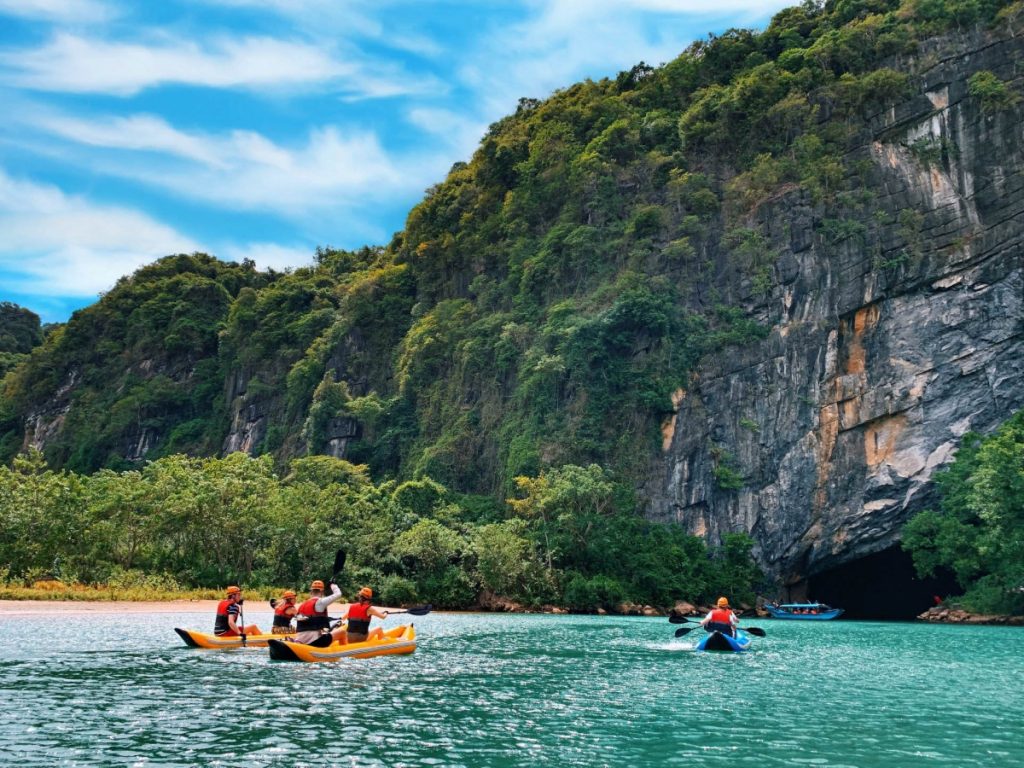
Phong Nha: Where the Expedition Begins
The Road North: Phong Nha to Pu Luong
Driving Through Rural Vietnam
The drive from Phong Nha to Pu Luong is one of the most scenic in the country. The route passes through Quang Binh, Ha Tinh, and Nghe An provinces before reaching Thanh Hoa. This part of Vietnam is rarely visited by foreigners, which means the roads are quiet, the towns are authentic, and the scenery is unfiltered.
Most travelers drive or are driven along National Highway 15 or a combination of routes that cut through the mountains. The landscape shifts from coastal lowlands to forested hills to river valleys as you move north.
Suggested Stop: Vinh City
Vinh is the capital of Nghe An Province and sits roughly halfway between Phong Nha and Pu Luong. It is not a major tourist destination, but it is a practical overnight stop. The city is the birthplace of Ho Chi Minh and has a few historical sites worth a short visit. There are decent hotels and local restaurants, and it gives you a chance to rest before the final stretch to Thanh Hoa.
Suggested Stop: Ninh Binh
Some travelers on the Phong Nha to Pu Luong tour expedition choose to make a detour through Ninh Binh, which sits further north and a bit east of the main route. Ninh Binh is famous for Trang An, a scenic boat ride through limestone karst formations on river channels, and for the ancient capital of Hoa Lu. It adds time to the journey but pairs well with the overall expedition theme.
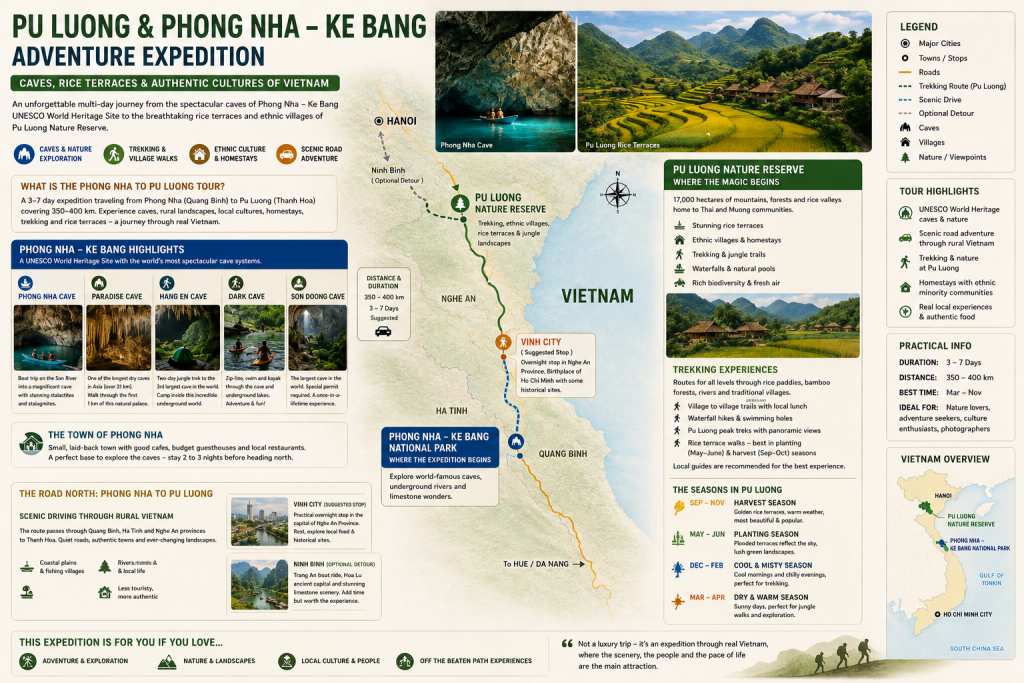
The Road North: Phong Nha to Pu Luong
Pu Luong Nature Reserve: Where the Expedition Ends (and the Magic Begins)
What Is Pu Luong?
Pu Luong Nature Reserve covers around 17,000 hectares in the Ben En and Ba Thuoc districts of Thanh Hoa Province in northern Vietnam. The reserve protects a mix of tropical forest, karst limestone hills, and agricultural valley floors. It is home to a wide range of wildlife as well as ethnic minority communities who have farmed these valleys for generations.
For travelers, Pu Luong offers something increasingly rare in Southeast Asia: a landscape that feels genuinely unspoiled. The rice terraces cascade down hillsides in dramatic steps, the roads are often rough tracks through the forest, and the villages are small and traditional.
Trekking in Pu Luong
Trekking is the main activity in Pu Luong, and there are routes to suit most fitness levels. Guided walks take you through rice paddies, across bamboo bridges, past working watermills, and into the forest. Some trails go up into the karst hills with views across the valley that are hard to describe and even harder to forget.
Popular trekking routes include:
- Village to village trails connecting Thai and Muong communities, often with lunch at a local house
- Waterfall hikes through forest to small cascades and swimming holes
- Pu Luong peak treks for those who want a more challenging climb with panoramic views
- Rice terrace walks that are especially beautiful during planting season (May to June) and harvest season (September to October)
Most treks in Pu Luong are best done with a local guide who knows the paths and can communicate with villagers along the way.
Homestay Culture in Pu Luong
One of the most special parts of any Phong Nha to Pu Luong tour expedition is staying in a traditional stilt house with a Thai or Muong family. These homestays are simple but comfortable. Guests sleep on floor mats under thick blankets, share meals cooked over wood fires, and often spend evenings around the fire listening to music or talking with the family through a guide or interpreter.
The food is local, seasonal, and fresh. Expect dishes like sticky rice, grilled fish from the river, freshly picked vegetables, and homemade rice wine — which is offered freely and is best sipped slowly.
Homestay experiences like this are increasingly hard to find in Vietnam as tourism develops. Pu Luong is one of the few places where genuine village hospitality is still the norm.
The Seasons in Pu Luong
Pu Luong is beautiful all year, but different seasons offer different experiences.
September to November is harvest season, when the terraces turn golden and the whole valley feels warm and abundant. This is the most photographed time of year and the most popular.
May to June is planting season, when the terraces are flooded and reflect the sky. The landscape is lush and bright green, and you might see farmers at work with water buffalo.
December to February is cooler and sometimes misty, with mornings that feel cold and evenings that are genuinely chilly. This is a good time for trekking if you do not mind the chill.
March to April is dry and warm, good for jungle walks without the risk of rain.
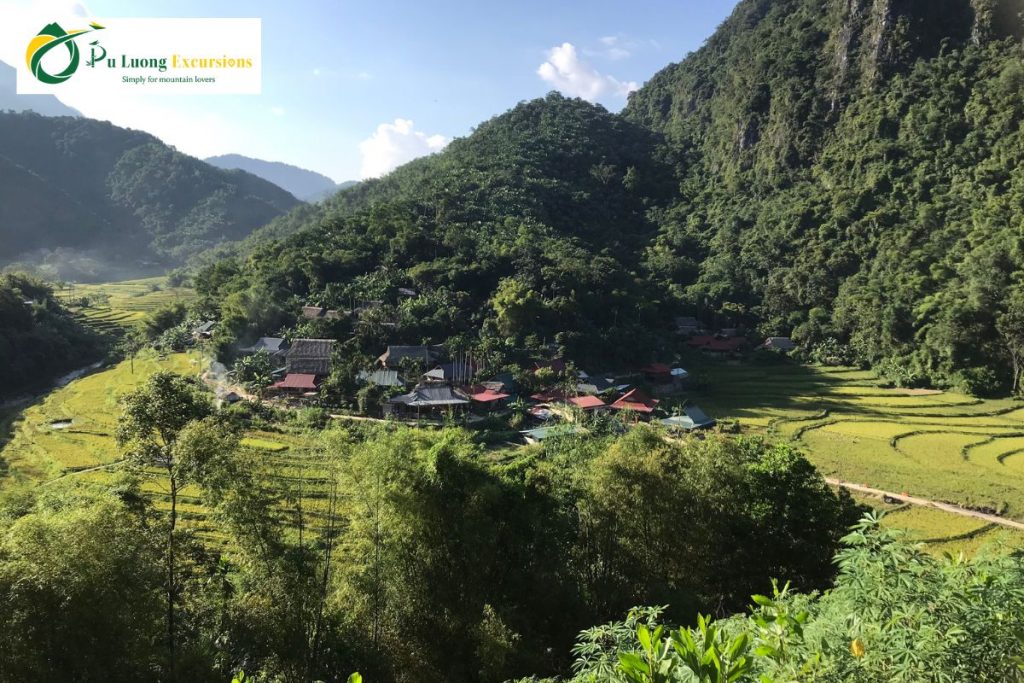
Pu Luong Nature Reserve
See more: Cuc Phuong & Pu Luong Biodiversity Tour: Vietnam’s Best Nature Combo
How Long Should You Spend on the Phong Nha to Pu Luong Tour Expedition?
The minimum time to do this journey justice is about 7 to 10 days total. Here is a rough breakdown:
- 2 to 3 days in Phong Nha for cave visits and relaxation
- 1 to 2 days in transit with optional stops in Vinh or Ninh Binh
- 3 to 4 days in Pu Luong for trekking, village visits, and homestay experiences
If you have more time, you can go slower, do longer hikes, or spend extra nights in a village. If you are pressed for time, you can cut the transit days by flying or by focusing on fewer activities at each end.
Plan Your Phong Nha to Pu Luong Tour Expedition with Pu Luong Excursions
If you want to focus on the experience rather than the logistics, working with a professional tour operator makes everything easier. Pu Luong Excursions is a licensed travel company based in Pu Luong, specializing in rural Vietnam tours that connect travelers with authentic nature, ethnic culture, and the real landscapes of the north.
We organize multi-day expeditions along the Phong Nha to Pu Luong route with everything included: private transport, local guides, cave tickets, trekking, homestay accommodation, and meals. Our tours are designed for travelers who want a meaningful trip — not just a checklist of sights, but a real experience of Vietnam as it actually is.
Our services include:
- Multi-day Phong Nha to Pu Luong tour packages with flexible itineraries
- Trekking and jungle hikes in Pu Luong Nature Reserve with experienced local guides
- Traditional Thai and Muong homestays in working village communities
- Eco-stays and boutique guesthouses for travelers who prefer more comfort
- Motorbike and private car tours for those who want to travel at their own pace
- Custom itineraries built around your interests, fitness level, and travel dates
We are licensed by the Vietnamese tourism authorities and have years of experience guiding travelers through northern Vietnam’s most beautiful countryside. Our team includes local guides who were born and raised in the villages of Pu Luong — people who know the landscape, the culture, and the community in ways that no outsider can replicate.
Whether you are an experienced trekker, a photography enthusiast, or simply someone looking to get off the beaten track and see a different side of Vietnam, we can build the right expedition for you.
The Phong Nha to Pu Luong tour expedition is not the kind of trip you plan in an afternoon. It takes some thought, some preparation, and a willingness to leave the comfort of well-trodden tourist routes behind. But for those who make the journey, it delivers something that is increasingly hard to find in modern travel: a genuine connection to a place, its landscape, and its people.
From the cave-dark underground rivers of Phong Nha to the sunrise light on the golden rice terraces of Pu Luong, this route passes through a version of Vietnam that most visitors never see. It is rural, it is real, and it is remarkable.
If you are ready to plan your expedition, get in touch with Pu Luong Excursions. We will handle the details so you can focus on the adventure.