


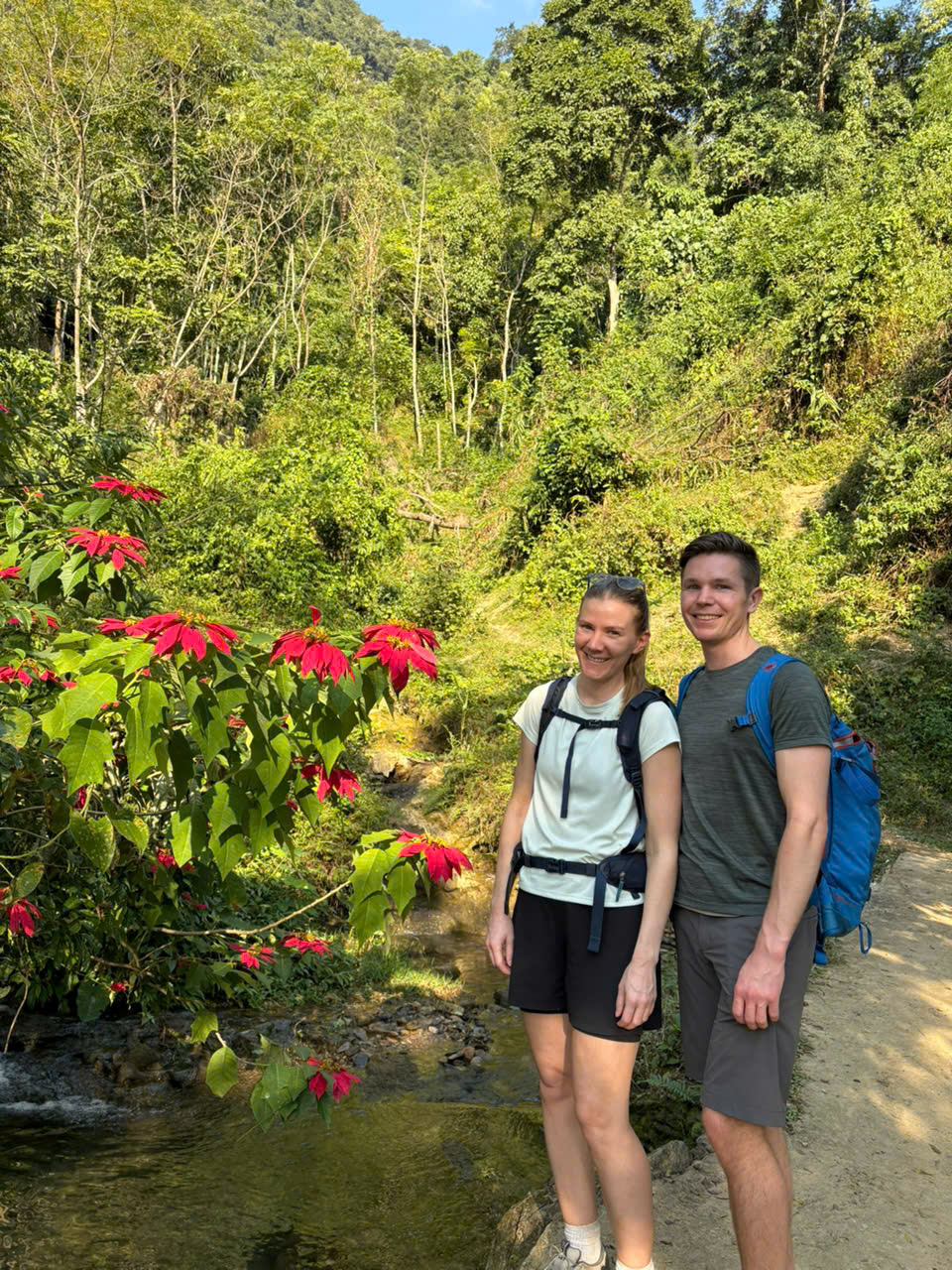
If you are looking for an authentic trekking experience in Vietnam, a Pu Luong biodiversity conservation trek offers much more than beautiful landscapes. It is an opportunity to walk through ancient forests, discover diverse wildlife, meet local ethnic communities, and support sustainable tourism that helps protect one of Northern Vietnam’s most valuable natural areas.
Unlike crowded tourist destinations, Pu Luong Nature Reserve remains peaceful and unspoiled. Every trail takes visitors through limestone mountains, tropical forests, rice terraces, streams, waterfalls, and traditional villages where local people continue to live close to nature.
Choosing a biodiversity conservation trek means your journey becomes part of the conservation effort. Responsible tourism creates income for local families while encouraging the protection of forests, wildlife, and traditional culture for future generations.
This guide explains everything you should know before joining a Pu Luong biodiversity conservation trek, including its unique ecosystems, trekking routes, best travel seasons, conservation projects, wildlife, local culture, and practical travel tips.
What Is a Pu Luong Biodiversity Conservation Trek?
A Pu Luong biodiversity conservation trek is an eco-friendly hiking experience designed to introduce travelers to the incredible natural richness of Pu Luong Nature Reserve while promoting environmental protection.
Instead of focusing only on sightseeing, these trekking tours encourage visitors to:
- Appreciate native forests
- Learn about local ecosystems
- Respect wildlife habitats
- Reduce environmental impact
- Support ethnic communities
- Travel responsibly
The trails pass through protected forests, bamboo groves, limestone valleys, rivers, waterfalls, and traditional villages, allowing visitors to experience both nature and culture in one journey.
Every responsible step helps preserve this beautiful landscape.
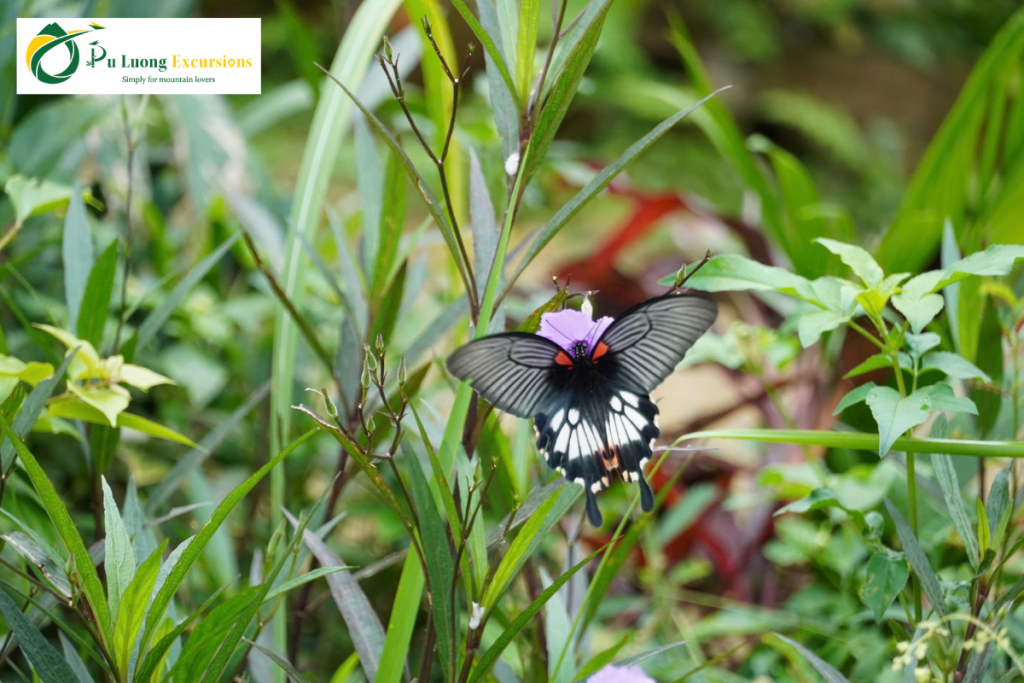
A Pu Luong biodiversity conservation trek
Why Pu Luong Is One of Vietnam’s Important Nature Reserves
Located in Thanh Hoa Province, about 160 km southwest of Hanoi, Pu Luong Nature Reserve covers more than 17,000 hectares of forests and mountains.
The reserve forms part of an important ecological corridor connected with Cuc Phuong National Park through extensive limestone mountain systems. Together, these forests provide habitats for many rare plant and animal species.
Pu Luong is famous for its combination of:
- Limestone mountains
- Tropical forests
- Bamboo forests
- Rice terraces
- Rivers and streams
- Traditional Thai and Muong villages
Because of its diverse landscapes, the reserve supports a remarkably rich biodiversity that attracts conservationists, photographers, birdwatchers, and nature lovers from around the world.
What You Will See on a Pu Luong Biodiversity Trek
No two treks are identical — weather, season, trail conditions, and simple luck all play a role. But here is a realistic picture of what most trekkers encounter.
Flora — From Limestone Forest to Bamboo Groves
The plant diversity on a Pu Luong biodiversity conservation trek is one of the first things that strikes people who are paying attention. The vegetation changes noticeably as you move between different parts of the reserve — from the open rice terrace edges to dense bamboo corridors, from the shaded understory of mixed forest to the sparse, specialist communities clinging to exposed limestone.
Your guide will point out plants with practical significance: the tree bark used by Muong healers, the leaf that flavours a particular local dish, the climbing vine that local people have used for rope for generations. These are not just botanical curiosities — they are evidence of a relationship between people and forest that is itself worth understanding and preserving.
Orchids, ferns, and mosses are particularly abundant in the wetter sections of the reserve, especially after rain. If your trek passes through areas of older, less-disturbed forest, the canopy closes overhead and the light drops to something green and filtered — a reminder of what the whole landscape once looked like before clearance and use changed parts of it.
Fauna — Birds, Primates, and More
Wildlife sightings on any forest trek depend on time of day, season, and how quietly you move. An experienced local guide makes a significant difference — they know where to look, when to stop, and how to read the signs that most visitors would walk straight past.
Birds are the most reliably visible wildlife in Pu Luong. The reserve’s bird list includes species from multiple families — flycatchers, babblers, hornbills, raptors, and several species of pheasant that inhabit the forest floor. Early morning is the best time for birding, when activity is highest and the forest is quietest. Your guide can identify species by call as well as sight, which dramatically increases what you notice.
Primates are present in the reserve, including populations of langurs that occasionally reveal themselves at the forest edge or in the canopy above a trail. Sightings are not guaranteed but are not uncommon either, particularly in the less-visited sections of the reserve where disturbance is lower.
Signs of other mammals — tracks, markings, scratch posts, and droppings — are part of what a conservation-focused guide draws your attention to. Even when you do not see the animal directly, learning to read the evidence it leaves behind is one of the more lasting skills a biodiversity trek teaches.
Water Systems — Streams, Springs, and Wetland Pockets
Water is one of Pu Luong’s defining features, and the streams and springs you cross on a biodiversity trek are more than just scenic crossings. They are indicators of ecosystem health. Clean, clear water running over limestone gravel and supporting aquatic insects and small fish is a sign that the watershed above it is functioning well. Disturbed or silty water tells a different story.
Some conservation trek routes include a section along a stream or through a riparian zone — the narrow band of richer vegetation that grows along watercourses and supports a disproportionately high share of the reserve’s biodiversity. These sections are often the most species-rich parts of the trek and the most important to protect from the disturbances that come with agricultural expansion or trail erosion.
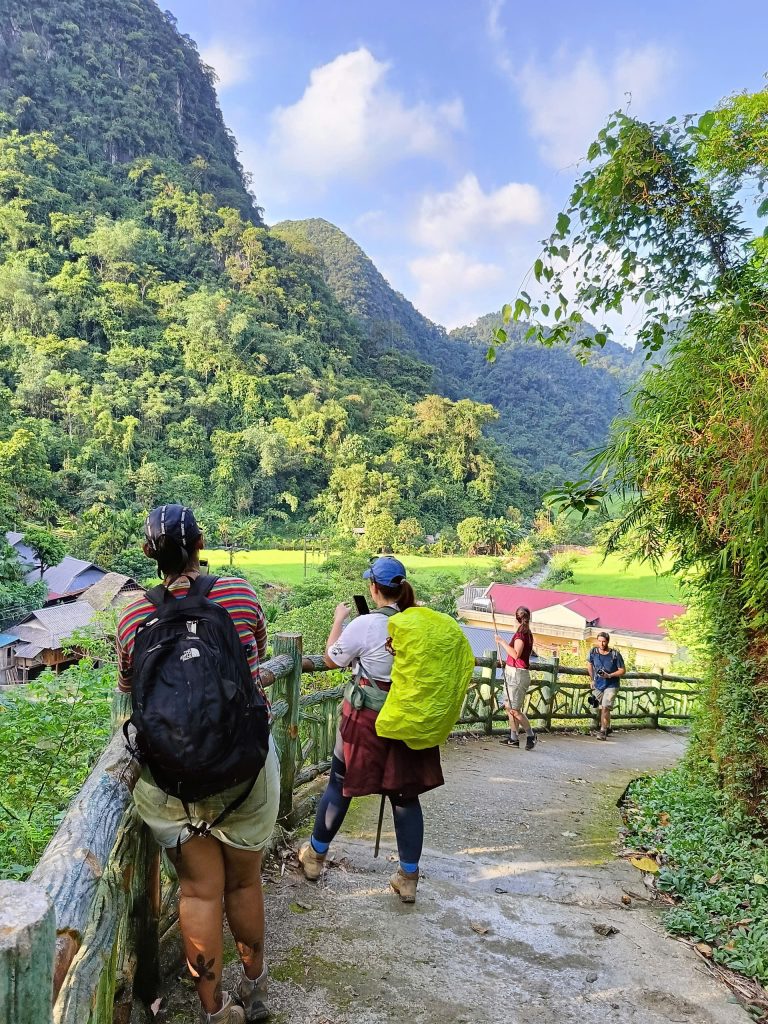
What You Will See on a Pu Luong Biodiversity Trek
See more: Volunteer Trek Pu Luong Reforestation
How the Trek Supports Conservation in Pu Luong
It is worth being specific about this, because “conservation tourism” can sometimes be a label that means less than it sounds.
On a well-organised Pu Luong biodiversity conservation trek, your participation supports the reserve in several concrete ways:
Guide training and employment. Local guides who are trained in ecology, wildlife identification, and conservation principles earn a living from leading these treks. This creates an economic incentive for the community to protect the forest — its value as a living ecosystem is directly tied to their income.
Monitoring data. Some programs use trekkers as part of citizen science exercises — recording bird sightings, noting signs of wildlife, or flagging any evidence of illegal activity or habitat disturbance along the trail. This data, pooled across dozens of treks over a year, contributes to the information base that conservation managers use to make decisions.
Direct funding. A share of the trek fee goes to conservation costs: seedling nurseries for reforestation, camera traps for wildlife monitoring, community education programs, or trail maintenance that keeps the reserve accessible without damaging it.
Community buy-in. When the villages inside and around Pu Luong see that the intact forest brings visitors — and income — they have a practical reason to support conservation rather than resist it. This is one of the most important and least visible contributions that responsible trekking makes to long-term conservation outcomes.
How the Trek Supports Conservation in Pu Luong
Pu Luong Excursions: Nature Treks That Go Beyond the Trail
Pu Luong Excursions is a licensed tour operator based in Pu Luong Nature Reserve, Thanh Hoa. We have been running trekking experiences in this valley for years, working with local guides who know the reserve’s ecosystems intimately and with community partners who are directly involved in conservation work on the ground.
Our Pu Luong biodiversity conservation trek programs are designed for travellers who want more than a scenic walk. We offer:
- 2-day / 1-night introductory nature treks — a focused introduction to the reserve’s ecology, suitable for travellers with limited time who want a genuine forest experience
- 3-day / 2-night biodiversity conservation treks — our most popular format, combining deep forest trekking, wildlife observation, a participation conservation activity, and two nights in village homestays
- 4-day extended programs — for travellers who want to cover more of the reserve, with additional time for birding, stream ecology observation, and engagement with community conservation groups
- Custom group programs for schools, universities, research institutions, or NGOs with a specific focus on biodiversity or conservation education in Southeast Asia
- Combined itineraries linking the biodiversity trek with other Pu Luong experiences — eco lodge stays, community tours, or multi-destination northern Vietnam routes
All our guides are trained local people with deep knowledge of the reserve. We keep group sizes small — usually no more than eight to ten people — to minimise disturbance on the trail and maximise the quality of observation for each participant.
A portion of every trek fee goes directly toward conservation support costs in the reserve. When you trek with Pu Luong Excursions, you are not just visiting a nature reserve — you are contributing to its future.