


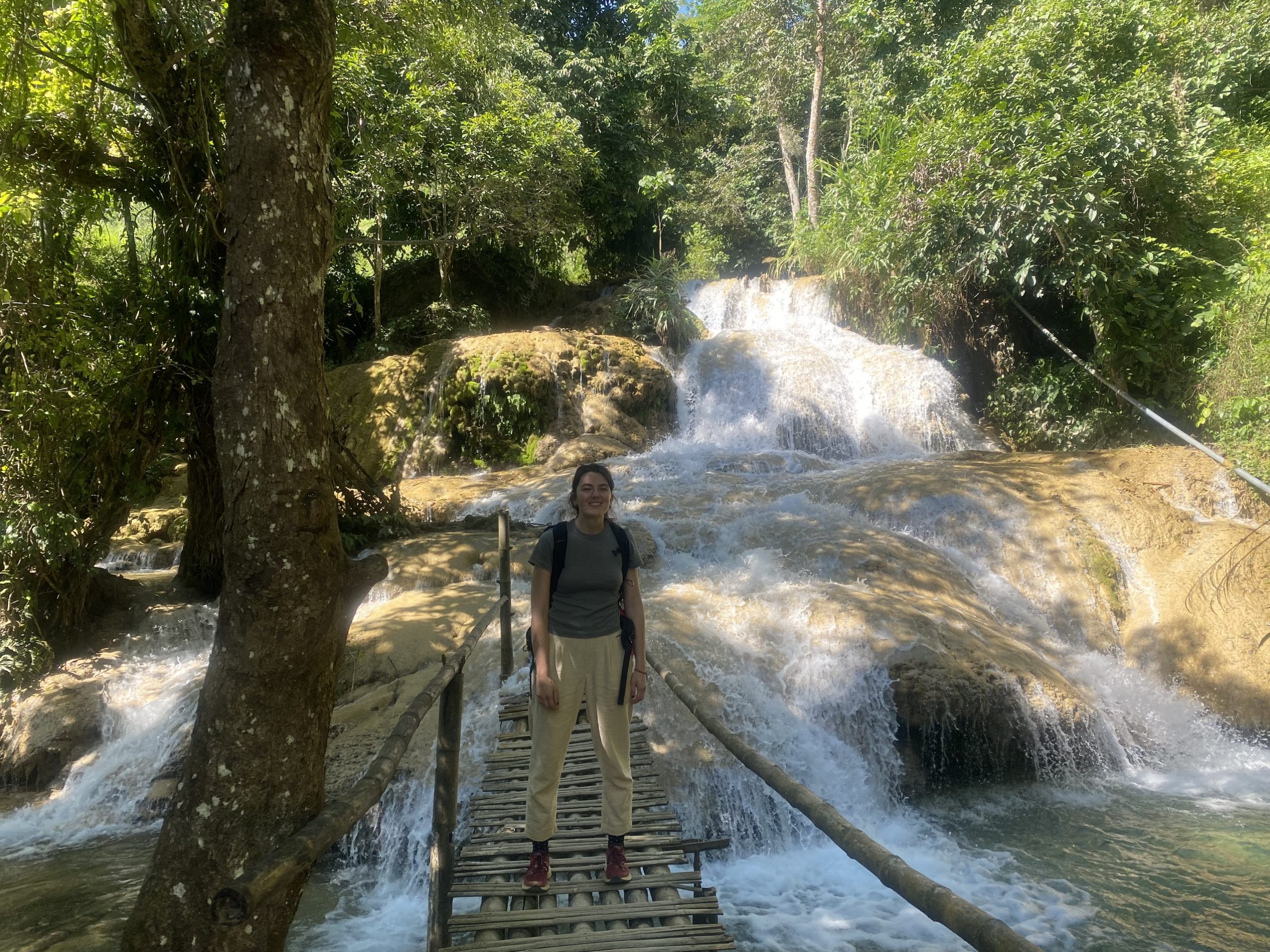
Sometimes the best travel memories are not luxury stays or busy attractions, but quiet moments in nature. A Pu Luong wild camping experience offers exactly that — mountain views, forest trails, ethnic villages, and peaceful nights under the stars. At Pu Luong Excursions, many travelers come for trekking and leave with unforgettable memories of Northern Vietnam’s untouched beauty.
The unique appeal of a Pu Luong wild camping experience
Escaping the tourist trail
The primary allure of pitching a tent in the remote corners of Pu Luong is the absolute solitude. Unlike established campgrounds in Western countries or crowded tourist hubs in Southeast Asia, wild camping here offers a high probability that you will not encounter another traveler for days. The reserve is vast, spanning over 17,600 hectares, characterized by rugged limestone ridges, deep valleys, and dense tropical evergreen forests. By venturing into the wild zones, you leave behind the predictable itineraries and step into a realm where nature dictates the schedule.
Unparalleled connection to nature
When you embark on a Pu Luong wild camping experience, you are not merely observing nature; you are living within it. The sensory experience is profound:
- The sounds: The continuous drone of the jungle canopy, the distant rush of a hidden waterfall, and the early morning calls of endemic bird species.
- The sights: The absence of light pollution reveals a night sky dense with stars and the Milky Way stretching clearly over the jagged mountain silhouettes.
- The atmosphere: The dramatic shifts in weather, from afternoon golden light filtering through the bamboo groves to the thick, mystical morning fog that blankets the valleys.
Cultural immersion on the fringes
Wild camping in this region is inextricably linked with the local communities. The borders of the nature reserve are home to the Thai and Muong ethnic groups, who have inhabited these mountains for centuries. Setting up camp in remote areas often involves navigating ancestral lands, interacting with local hunters or foragers, and understanding the deep, spiritual connection the local people have with the forest. It provides an authentic glimpse into a lifestyle that remains deeply connected to the land.
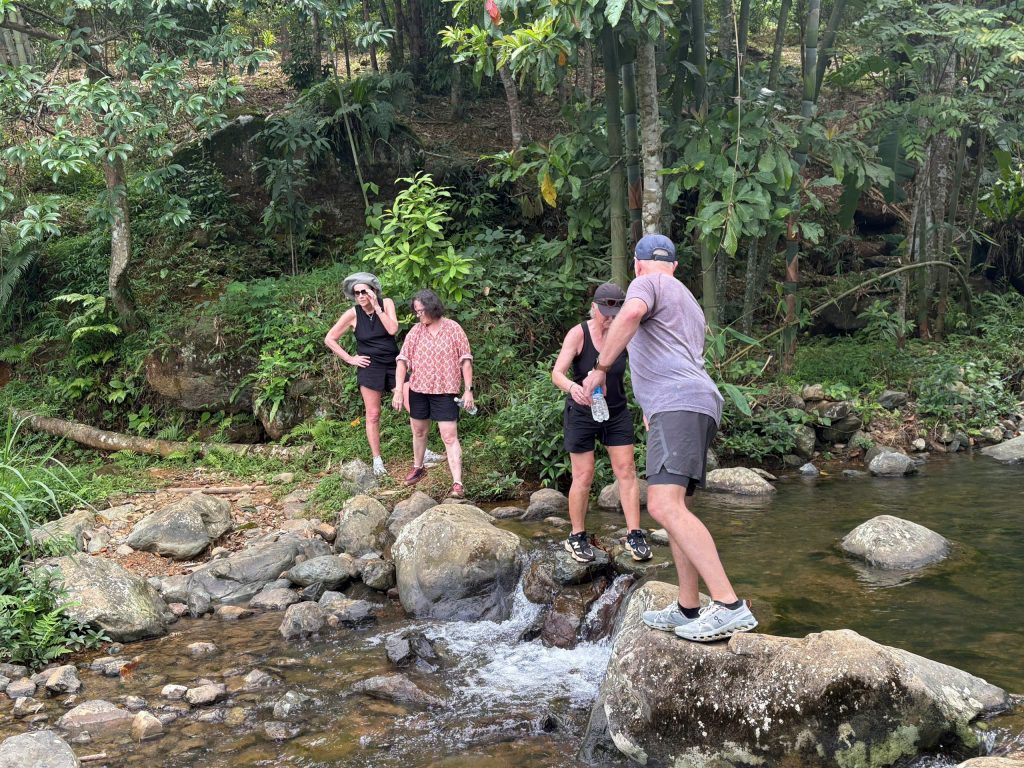
The unique appeal of a Pu Luong wild camping experience
Choosing the perfect camping spot in Pu Luong
Finding the ideal location for a Pu Luong wild camping experience requires a balance of safety, accessibility, and scenic value. Because the terrain is rugged and weather conditions can change rapidly, selecting a site is one of the most critical decisions of the journey. Here are the primary zones suitable for wild camping within the reserve:
The high peaks of Pu Luong mountain
For the ultimate challenge and reward, camping near the summit of Pu Luong Mountain (the highest peak in the reserve at 1,700 meters) is unmatched. The trek to the top is physically demanding, involving steep ascents through primary rainforest and bamboo thickets.
- The view: A 360-degree panoramic vista of the entire reserve, looking down on the valley of Ban Don and the winding Ma River.
- The experience: Camping at this altitude places you above the cloud line. On a clear morning, you will witness the “cloud hunting” phenomenon, where the valleys below resemble an ocean of white foam.
- Challenges: High winds, cooler temperatures at night, and a complete lack of natural water sources near the summit, meaning all water must be carried up.
Deep jungle clearings
For those fascinated by tropical biodiversity, the dense valleys and interior forests offer secluded clearings. These spots are typically located near small mountain streams, providing an abundant water supply for cooking and washing.
- The view: An intimate look at the ancient trees, climbing vines, and giant ferns that characterize the reserve’s core zone.
- The experience: Complete canopy cover creates a cool, shaded environment even during the heat of the day. The feeling of isolation is absolute.
- Challenges: Higher humidity, an abundance of insects, and a higher risk of damp gear. Ground preparation is crucial to avoid mud.
Plateau viewpoints overlooking rice terraces
If you prefer a mix of dramatic landscapes and agricultural beauty, the lower plateaus near remote villages like Ban Hieu or Ban Kho Muong offer exceptional camping options. These spots are often situated on grassy ridges just above the iconic stepped rice terraces.
- The view: Sweeping vistas of green or golden rice paddies (depending on the season) carving paths down the mountain slopes.
- The experience: Witnessing the daily routines of local farmers from a distance, combined with spectacular sunset views over the valley.
- Challenges: Proximity to grazing livestock and the need to obtain explicit permission from local landowners before setting up camp.
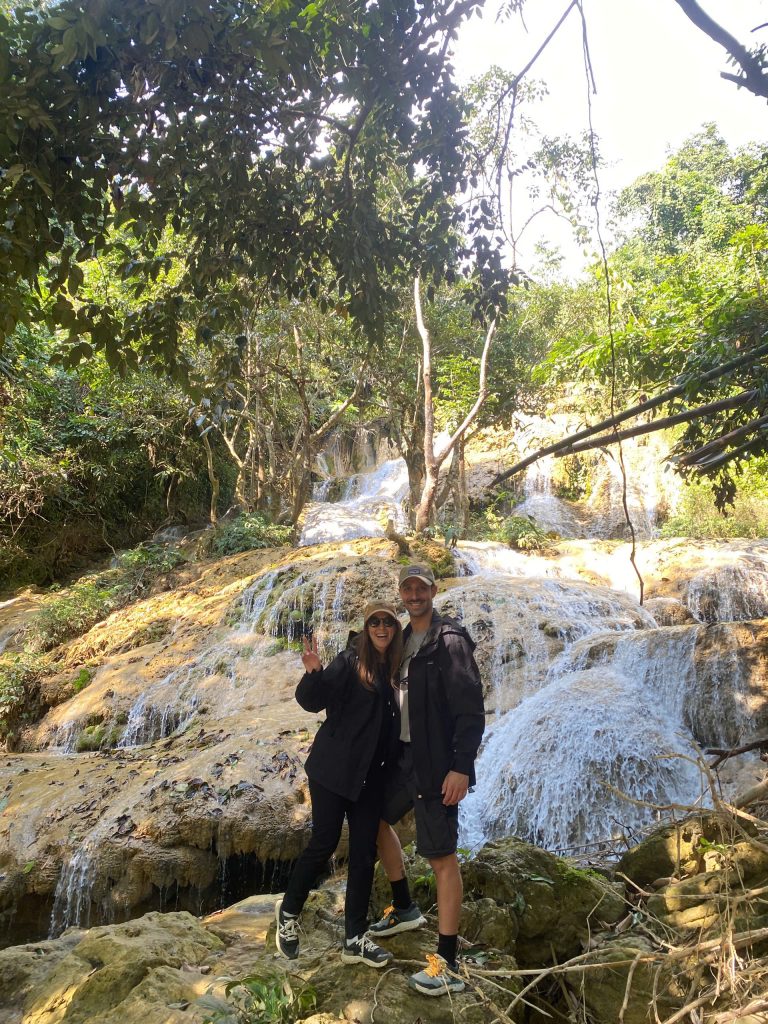
Choosing the perfect camping spot in Pu Luong
See more: Pu Luong Overnight Jungle Camping
Essential gear checklist for Pu Luong wilderness
When packing for a wild camping expedition in Pu Luong, the mantra should be: pack light, pack smart, but never compromise on safety. Because you will be carrying your gear over steep, uneven terrain, every gram counts.
Shelter and bedding
- Lightweight 3-season tent: Must have a high-quality rainfly with a waterproof rating of at least 2000mm to handle sudden tropical downpours. A freestanding design is preferred due to rocky or uneven ground.
- Compact sleeping pad: Provides crucial insulation from the cold, damp ground and cushions against sharp limestone rocks.
- Sleeping bag or liner: A lightweight bag rated down to 15°C is sufficient for most of the year, but a warmer bag (rated down to 5°C) is required for winter peak camping.
Navigation and electronics
- Offline maps and GPS: Cellular service is nonexistent in the deep jungle valleys. Ensure you have downloaded topographic maps (such as Gaia GPS or Maps.me) beforehand.
- Heavy-duty power bank: A minimum of 20,000mAh to keep phones, cameras, and headlamps charged over multiple days.
- High-lumens headlamp: Essential for navigating the campsite after dark. Bring extra batteries or a charging cable.
Clothing system
- Moisture-wicking base layers: Synthetic or merino wool fabrics that dry quickly. Avoid cotton completely, as it retains sweat and causes chills.
- Durable trekking pants: Ripstop material that protects against sharp brush, bamboo thorns, and insects.
- Waterproof shell jacket: A breathable, fully waterproof jacket is non-negotiable in Northern Vietnam.
- Sturdy hiking boots: High-traction footwear with good ankle support to navigate slippery clay and jagged limestone trails.
Hydration and nutrition
- Water filtration system: A pump filter, gravity filter, or chemical purification tablets. You will need to treat water collected from mountain streams.
- Lightweight camping stove: A compact canister stove or multi-fuel stove for boiling water and cooking meals.
- High-calorie trail food: Dehydrated meals, nuts, energy bars, and local dried meats to maintain energy levels during strenuous treks.
Safety protocols and survival strategies
The rugged beauty of Pu Luong can mask the inherent dangers of a tropical wilderness. Being prepared for emergencies is a vital component of a successful Pu Luong wild camping experience.
Navigating the terrain
The limestone karst geology of Pu Luong means the terrain is brittle and sharp. Trails can be incredibly narrow, with steep drop-offs on one side.
- Always test your footing before committing your full weight, especially on moss-covered rocks or muddy slopes.
- Use trekking poles to maintain balance and reduce the impact on your knees during long descents.
- Never hike after dark. The risk of losing the trail or stepping off a ridge increases exponentially once the sun sets behind the mountains.
Wildlife and insect awareness
While large predators are extremely rare in the reserve today, smaller wildlife requires attention:
- Snakes: Several species of venomous snakes, including vipers and cobras, inhabit the forests of Northern Vietnam. Watch where you step, never stick your hands into dark rock crevices, and keep your tent zipped completely at all times.
- Leeches: Active during the wet season and in damp jungle areas. Wear long socks, tuck your pants into your boots, and apply insect repellent containing DEET around your ankles.
- Mosquitoes: A constant presence in the valleys. While malaria risk is low in Pu Luong, dengue fever is present in Vietnam, making mosquito prevention essential.
Water safety and hydration
Dehydration and heat exhaustion are real risks, particularly during the humid summer months.
- Drink consistently throughout the day, even if you do not feel intensely thirsty.
- Never drink untreated water from streams, no matter how clear it looks. Upstream areas may contain wildlife droppings or agricultural runoff.
- Pack electrolyte replacement powder to restore essential salts lost through heavy sweating.
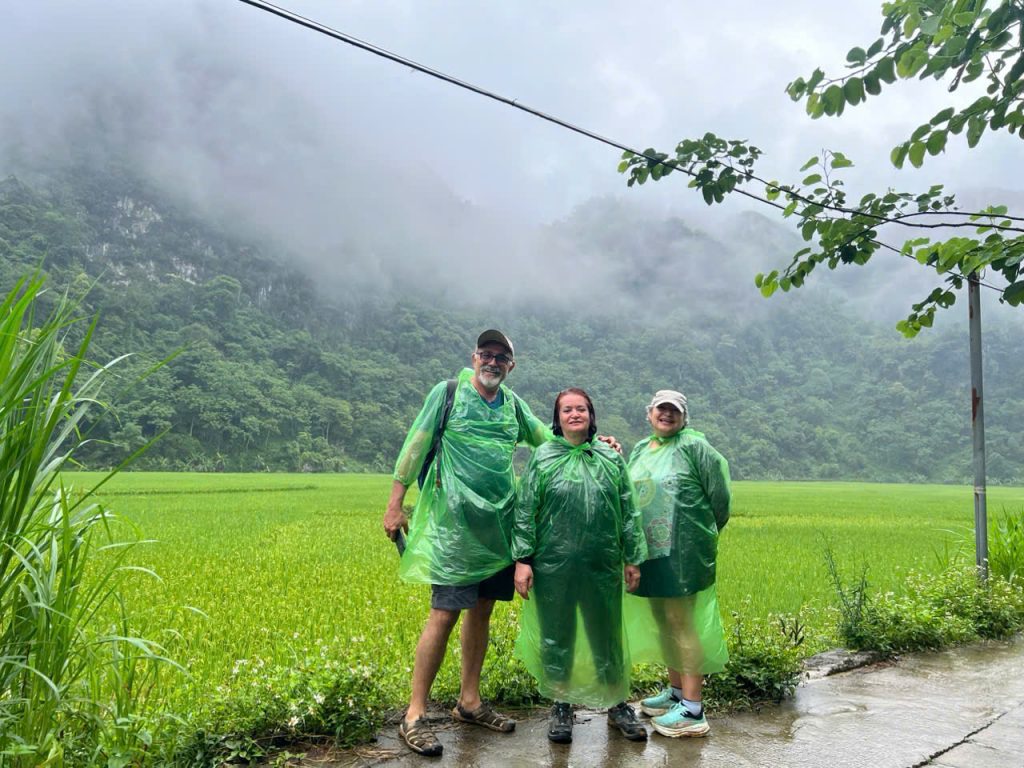
Safety protocols and survival strategies
Environmental ethics: Leave No Trace in Pu Luong
As tourism grows in Vietnam, the preservation of fragile ecosystems like Pu Luong is paramount. A sustainable Pu Luong wild camping experience must strictly adhere to the principles of Leave No Trace to ensure the forest remains pristine for future generations.
Minimize campfire impacts
While a campfire is a traditional part of the camping experience, it must be managed with extreme care in a nature reserve.
- Use existing fire rings if available rather than building new ones.
- Keep fires small and burning only for the duration needed for cooking or warmth.
- Collect only dead wood that has fallen to the ground. Never cut down live branches or strip bark from standing trees.
- Extinguish fires completely with water before sleeping or leaving the site. The ash should be cool to the touch.
Waste management
- Pack it in, pack it out: Absolutely everything you bring into the wild must leave with you. This includes food scraps, fruit peels, and plastic packaging.
- Human waste: If no toilet facilities are available, dig a “cathole” at least 15 to 20 centimeters deep and at least 60 meters away from lakes, streams, and trails. Bury the waste completely. Pack out all used toilet paper in sealed bags; do not bury it.
- Washing: When cleaning dishes or yourself, do not use soap directly in streams or rivers. Carry water 60 meters away from the source and use biodegradable, unscented soap.
Stepping away from the structured comfort of standard tourism to embrace a Pu Luong wild camping experience is more than just an outdoor activity; it is a transformative journey. It challenges your physical limits, resets your mental rhythm, and forces a profound appreciation for the raw, delicate beauty of the natural world.
When you stand on a high limestone ridge at dawn, watching the first rays of sunlight pierce through the mountain mist while holding a hot cup of coffee brewed over a campfire, the noise of modern life fades into complete insignificance. You are left with a deep sense of clarity, a renewed respect for the environment, and memories that will remain etched in your mind long after the dirt has been washed from your boots.
Whether you are an experienced trekker looking to conquer the highest peaks or a mindful traveler eager to experience Northern Vietnam’s finest countryside tours with ethnic culture, trekking, and jungle rides, the wilderness of Pu Luong is calling. Let Pu Luong Excursions guide you safely into the wild heart of this extraordinary land. Contact our travel specialists today to design your custom wilderness camping expedition and discover the side of Vietnam few ever get to see.