


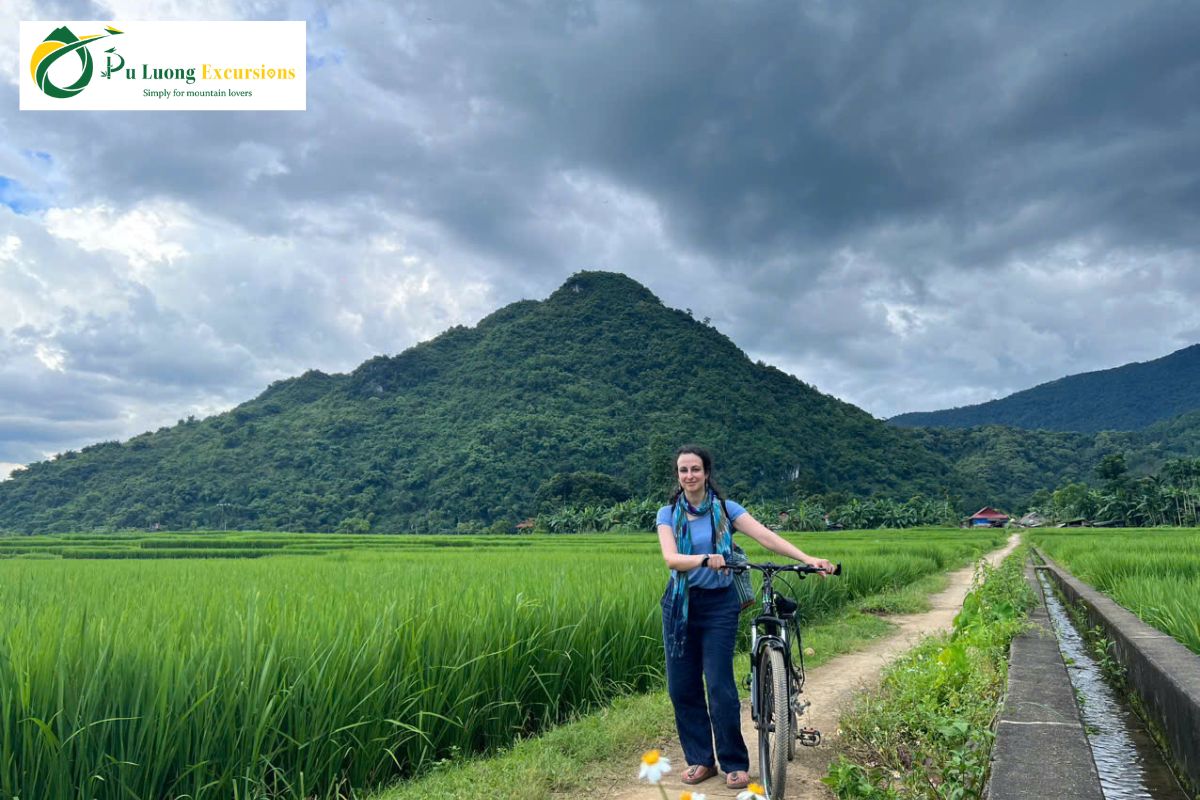
If you are searching for the best time to visit Pu Luong, you are probably worried about two things: missing the golden rice and getting caught in the rain. After more than 10 years guiding in this reserve, I can tell you there is no single perfect month, only the right month for the trip you want. This guide covers harvest dates, weather, trekking conditions, crowds and travel times from Hanoi, so you can book with confidence.
Skip the planning: see Pu Luong with a local team
Private Pu Luong tours without the logistics headaches
We have lived and guided here for over a decade, so we time every itinerary to the rice calendar and the weather. Your trip includes a comfortable private transfer from Hanoi, Ninh Binh or Mai Chau, an English-speaking guide from the Thai and Muong communities, and stays in carefully chosen eco-lodges and homestays. We avoid the busiest viewpoints at peak hours, so you get the terraces without the crowds. Tell us your dates and we will suggest the best route for that month.
See our Pu Luong tours and request a quote at puluongexcursions.com
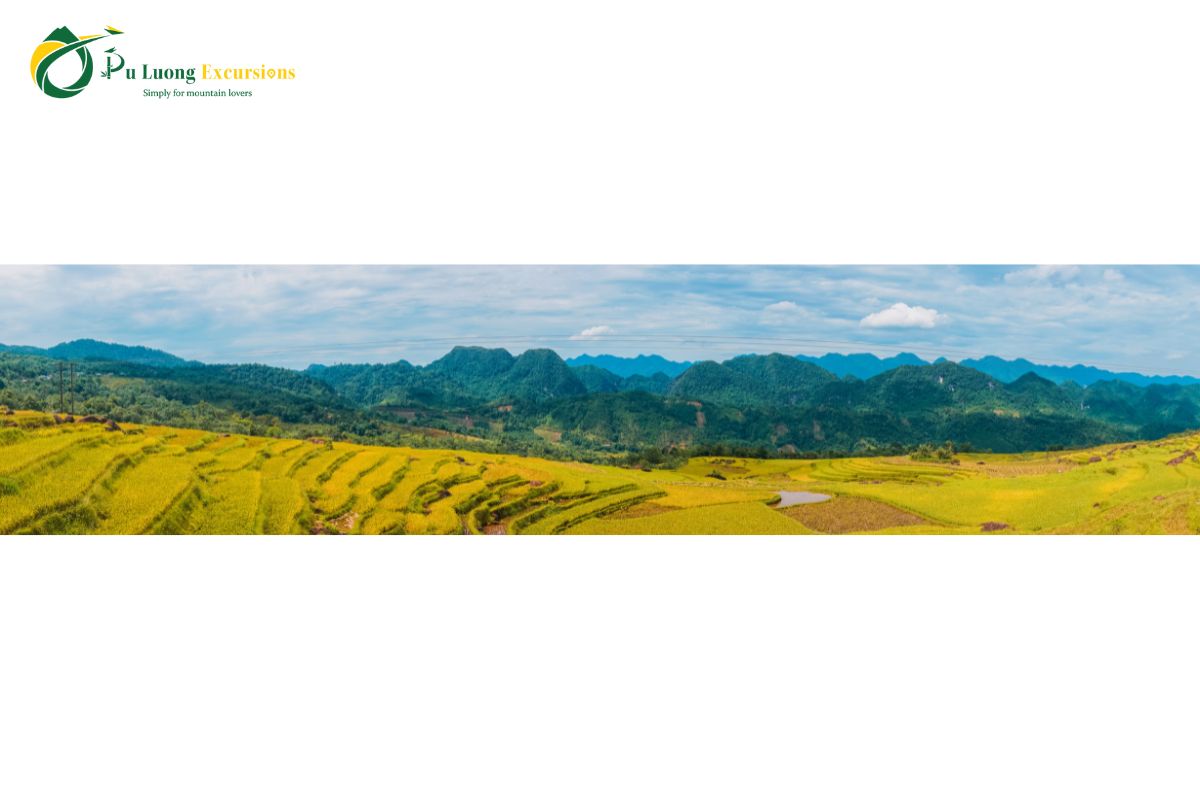
The Golden Harvest Season
Best time to visit Pu Luong at a glance
The best time to visit Pu Luong is mid-September to early October for golden rice terraces, and March to May or late October to November for mild, dry trekking weather. June to August is lush but rainy, while December to February is cold, misty and very quiet. Hanoi is only 150–160 km away, about 3.5–4 hours by road.
| Period | Rice terraces | Typical weather | Crowds | Best for |
|---|---|---|---|---|
| December to February | Bare fields, ploughing | 8–18°C, misty, cold nights | Very low | Quiet village life, cozy stays |
| March to April | Fresh young green | 18–28°C, light showers | Low to moderate | Trekking, comfortable hiking |
| May to June | Flooded mirror paddies, transplanting | 24–33°C, rain begins | Moderate | Photography, farming culture |
| July to August | Deep green, full growth | 25–34°C, heavy showers | Low | Waterfalls, lush scenery |
| Mid-September to early October | Golden and ripe | 22–30°C, fewer showers | High | Harvest photography, classic views |
| Late October to November | Golden-brown stubble | 15–26°C, clear and dry | Moderate | Trekking, caves, cycling |
Temperatures are typical ranges for the valleys. The higher ridges and Pu Luong Peak are noticeably cooler.
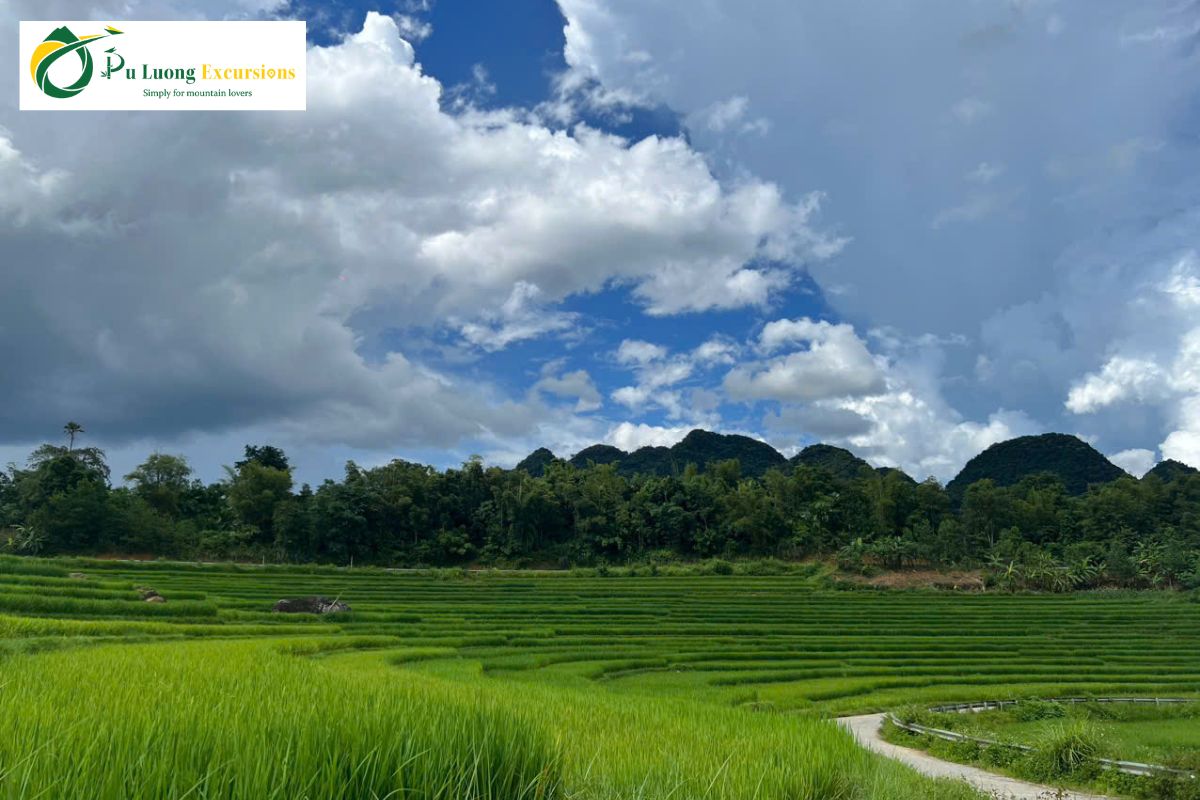
The Green Season
When is the rice harvest season in Pu Luong?
The main rice harvest in Pu Luong runs from mid-September to early October. The terraces turn golden roughly 7–10 days before cutting, so the best photography window is about 2–3 weeks. Timing shifts with altitude and rainfall, so check conditions a week ahead rather than booking on a fixed date.
Here is what we see on the ground each year:
- Valleys around Ban Don and Don village: these lower terraces ripen first, usually in the second half of September.
- Higher terraces near Eo Ken and the ridge villages: these ripen later, so the gold often lasts into early October.
- Weather risk: a late typhoon can flatten ripe rice, so we keep itineraries flexible in this period.
- Booking tip: reserve eco-lodges 6–8 weeks ahead for harvest weeks. Weekends sell out first.
If gold is your priority but you hate crowds, travel on weekdays and ask your guide to start walking at sunrise. Most day visitors arrive after 10 am.
Is the rainy season okay for visiting Pu Luong?
Yes, the rainy season is a good time to visit Pu Luong if you accept short, heavy showers. It runs from roughly May to September, and rain usually falls in the afternoon or at night. Mornings are often clear, the terraces are at their greenest, waterfalls such as Hieu Waterfall are at full flow, and prices and crowds are lower.
What to expect in the green season:
- Scenery: flooded paddies in May and June reflect the sky, and the July and August terraces are a deep, saturated green.
- Trekking: paths between Thai and Muong villages become muddy and slippery, so we shorten routes and choose safer trails.
- Bamboo rafting: the current on Cham Stream is stronger after rain. Your guide will check water levels before you board.
- Cave visits: Kho Muong Cave and Bat Cave can be wet underfoot, so wear shoes with good grip.
- Real risk: after very heavy rain, some dirt roads can be temporarily blocked. Allow a buffer day if you have a tight flight.

A Quick Glance: Pu Luong Weather by Month
Pu Luong weather by season: what to pack and what to expect
Pu Luong sits at a higher altitude than Hanoi, so it is usually cooler and has bigger temperature swings between day and night. Plan for layers in every season, even in summer.
Spring (March to May): fresh green and comfortable trekking
Spring is the sweet spot for active travelers. Days are warm but not harsh, the terraces are being planted, and village life is busy. Expect some drizzle in March and April, and rising heat by late May. Bring a light rain jacket and sun protection.
Summer (June to August): lush, hot and wet
Summer brings strong sun and sudden downpours. This is the season for swimming spots, waterfalls and long evenings on a lodge balcony. Pack quick-dry clothing, insect repellent and a waterproof cover for your camera.
Autumn (September to November): harvest, then clear skies
September and early October bring the gold. By late October and November, the air is crisp, the sky is clear and the harvested fields turn golden-brown. It is our favorite period for multi-day trekking because visibility is excellent.
Winter (December to February): cold, misty and peaceful
Winter nights can drop to single digits, and on Pu Luong Peak at 1,700 m it feels colder still. Fog often covers the valleys until mid-morning. If you like quiet villages and cozy fireplace dinners, this is a rewarding season. Bring a warm jacket, a hat and gloves, because many homestays have limited heating.

Crafting Your Perfect Journey with Pu Luong Excursions
Best time for trekking, waterfalls, caves and bamboo rafting
For trekking, choose March to May or late October to November. For waterfalls, choose July to September. For caves and bamboo rafting, pick the drier months, because water and mud levels are easier to manage. Each activity has its own best window, so match your priorities to the season.
- Trekking between villages: March to May and late October to November give dry trails and comfortable temperatures.
- Hieu Waterfall: the flow is strongest from July to September.
- Kho Muong Cave and Bat Cave: the drier months of October to April are safer and less slippery.
- Cham Stream bamboo rafting: the calm, scenic floating suits September to November. Always follow your guide’s water-level check.
- Pho Doan Market: this local market is best experienced on a clear morning, and the season does not change much about what is on sale.
- Pu Luong Peak (1,700 m): the strenuous summit hike is best in the dry, clear months, because wet clay trails are hard going.
How to get to Pu Luong and how long it takes
Pu Luong is about 150–160 km from Hanoi, which takes roughly 3.5–4 hours by car. From Ninh Binh it is around 100 km (2.5–3 hours), and from Mai Chau about 60 km (1.5–2 hours). The final stretch is narrow and winding, so a private car with an experienced local driver is the most comfortable option.
| From | Approx. distance | Approx. travel time |
|---|---|---|
| Hanoi | 150–160 km | 3.5–4 hours |
| Ninh Binh | around 100 km | 2.5–3 hours |
| Mai Chau | around 60 km | 1.5–2 hours |
Travel times grow in the rainy season and on holiday weekends, so avoid scheduling a flight on the same day you leave Pu Luong.
How many days do you need, and what does it cost?
Two nights is the minimum that lets you see the terraces properly, and three nights is ideal if you want to trek between villages. Costs vary by season and comfort level, so use these figures as rough guidance and confirm current rates when you book.
- Homestay in a Thai or Muong stilt house: roughly $15–35 per person per night, about 400,000–900,000 VND, often with a home-cooked dinner.
- Eco-lodge or boutique stay: roughly $60–150 per room per night, about 1.5–3.9 million VND, with pools and terrace views.
- Private transfer from Hanoi: roughly $100–140 each way for a car, depending on vehicle size.
- Local guide: rates vary with group size and route. A private guide is worth it for the cultural context alone.
Our local guide’s verdict: which month is right for you?
If you want the postcard shot, come in the last two weeks of September. If you want comfort and space, come in March, April or November. If you want green, waterfalls and low prices, come in July. If you want peace and local culture, come in winter. The one mistake I see often is booking only for the gold and ignoring the shoulder weeks on either side, which are often calmer and equally beautiful.
Read our full Pu Luong Travel Guide for routes, villages and stays, or explore everything we offer for Pu Luong Vietnam.
Frequently asked questions
When is harvest season in Pu Luong?
The main harvest runs from mid-September to early October. Lower valleys near Ban Don ripen first, and higher terraces can stay golden into early October. The golden window lasts about 2–3 weeks, so check conditions a week before you travel.
Is rainy season okay for visiting Pu Luong?
Yes. The rainy season (May to September) brings vivid green terraces, full waterfalls, lower prices and fewer visitors. Expect short, heavy afternoon showers and muddy trails, so pack waterproof gear and allow flexible plans.
Is Pu Luong worth visiting in winter?
Yes, if you like quiet. From December to February, temperatures range from about 8–18°C, mornings are misty and the villages are peaceful. The terraces are not green or golden, so come for culture, food and cozy stays, not the rice views.
How many days should I spend in Pu Luong?
Plan 2 nights minimum and 3 nights for a relaxed experience. This gives you time for a village trek, a waterfall or cave visit, and a slow morning on the terraces, without rushing the 3.5–4 hour drive from Hanoi.
Get a personalized Pu Luong itinerary for your dates
Ready to plan your trip?
You now know when the rice turns gold, when the rain falls and which months suit your travel style. The next step is matching that knowledge to your dates, fitness level and budget. Our local team will design a private itinerary with transport, guide and stays that fit, and we will send you a clear quote the same day. Contact us through puluongexcursions.com, WhatsApp, our Facebook fanpage or the booking form. Your first consultation is free, and there is no obligation.
Request your free itinerary and quick quote
See more: